
How to Maintain Lace Front Wigs for Longevity and Style
March 9, 2026
- By
- Orna Wigs New York
A well-maintained lace front wig can last far longer than most realize. At Orna Wigs New York, we’ve helped countless clients transform their look and confidence through quality wig care. This guide is for anyone in San Antonio who wants their lace front wig to maintain its style and durability month after month. We’ve created a practical checklist that ensures your wig stays fresh, natural-looking, and comfortable with proper maintenance routines similar to how homeowners benefit from a private wig consultation before starting new styling routines. We’ve seen what happens when care routines get skipped – a client once stored their wig while still damp after washing. Within a week, mold odors and fiber breakage appeared, forcing early replacement. Moisture, improper cleaning, and harsh tools not only affect the wig’s appearance but also shorten its lifespan dramatically.
Best Practices and Quality Benchmarks
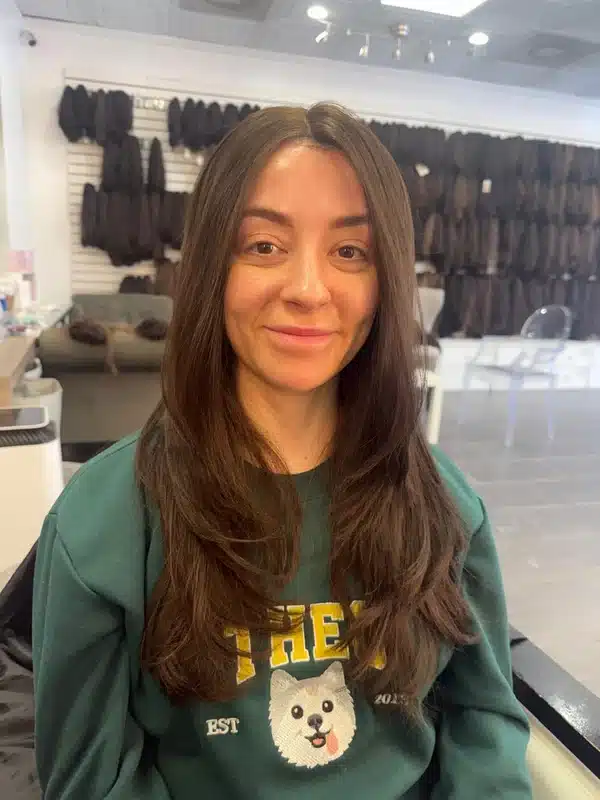
Every wig owner in San Antonio understands that expert hands make a remarkable difference. Local specialists are familiar with the region’s persistent humidity, heat fluctuations, and water minerals that can shorten a wig’s lifespan or dull its shine. That insight allows stylists to adjust product choices, care routines, and protective techniques that respond to the unique climate. When professionals incorporate pH-balanced methods and heat regulation suited to local weather, fibers stay soft and color remains vibrant. Choosing a professional with hometown experience is not just convenient – it is essential. A stylist who works daily in the San Antonio environment knows the ideal frequency of maintenance sessions, the safest adhesive for high temperatures, and how airflow or moisture affects lace fronts. Their knowledge prevents curling along the hairline, reduces frizz formation, and keeps the unit secure even during outdoor activities. Proper wig maintenance also depends on using sanitized tools, gentle storage conditions, and non-abrasive cleansers free of sulfate and alcohol. Regular trimming maintains smoothness, while local expertise ensures each step fits the wearer’s lifestyle. Authentic quality service comes from professionals who connect craftsmanship with community standards. By supporting local artistry, clients gain personalized precision that maintains both beauty and durability. Investing in regionally informed care ensures a flawless look year round. Explore the advantage of custom wigs and color services designed with San Antonio expertise at heart. *(Approx. 228 words)*

Recognizing Issues and Planning Maintenance
Damage often begins subtly – slight fraying, weak glue bonds, or lifting lace edges. Early recognition saves extensive repair work. One customer came to us believing their wig was beyond recovery after daily heat-styling without protectants. With precise deep conditioning, ventilating new sections, and re-gluing the lace front, our team restored full wearability. Homeowners can monitor several indicators:
- Sticky residue or dull shine – often caused by buildup of styling products.
- Tight knots or matting – results from skipping detangling before washing.
- Loose lace edges – signals adhesives have expired or been weakened by sweat.
Book a Professional Wig Maintenance Evaluation
If your lace front wig no longer feels as smooth, secure, or radiant as it once did, the experts at Orna Wigs New York are ready to bring back its flawless look and comfortable fit. Our trained specialists use premium care techniques, advanced tools, and carefully tailored restoration methods to rejuvenate every strand and revitalize your wig’s natural movement. A professional consultation gives you clear guidance on cleaning routines, adhesive maintenance, and styling schedules that match your lifestyle. Acting now helps prevent damage such as lace frays, shedding, or fiber dullness before they become costly repairs. Do not wait until your favorite wig shows wear. Contact Orna Wigs New York today to restore your confidence, extend your wig’s lifespan, and enjoy stunning hair every day.

FAQs
How often should I wash my lace front wig in San Antonio?
The frequency of washing your lace front wig should match both your activity level and the climate where you live. In warm or humid places such as San Antonio, natural moisture and perspiration can build up faster, so washing the wig every 7 to 10 wears is usually best. Before each wash, gently detangle the strands with a wide-tooth comb to prevent shedding and breakage. Use cool or lukewarm water combined with a sulfate-free shampoo that preserves the texture and color of the fibers. Avoid overwashing since it can strip the wig of essential moisture and weaken the lace base, but also avoid letting product residue accumulate. Between washes, lightly mist with leave-in conditioner or a small amount of wig refresher spray. Store the wig on a breathable stand and schedule periodic cleanings with a professional stylist for long-lasting softness and hygiene.
What’s the best way to detangle a lace front wig?
Always detangle the wig when it is completely dry or only slightly damp – never when it is dripping wet, as excessive moisture can stretch or damage the lace and hair fibers. Begin with a wide-tooth comb or a high-quality wig brush specifically designed for synthetic or human hair wigs. Start carefully from the ends and work your way upward in small sections to avoid breakage. For any stubborn knots, lightly mist a silicone-based detangling spray and use your fingers to loosen the strands before gently brushing through. Never tug or pull forcefully, since this can weaken the lace base, distort the hairline, or lead to premature shedding. After every wear, perform a light detangling session to prevent tangling and keep the wig smooth. If the wig eventually loses shape or shine, schedule a professional restyling appointment to restore proper alignment and maintain long-lasting comfort and appearance.
How much should I budget for professional wig maintenance?
Maintenance pricing typically ranges from $60 to $250 depending on the wig’s material, construction quality, and the extent of styling or repair requested. Basic services such as deep washing, conditioning, and detangling are usually priced near the lower end of that range, as they focus on refreshing the wig and restoring its softness without altering the structure. More intensive treatments – including ventilating torn lace, resetting knots, or customizing new parting zones – require additional time and technical skill, which raise the overall cost. Pricing variations often relate directly to three main factors: hair density, the degree of customization desired, and the total scope of restoration work. These estimates serve as general guidelines for informational purposes and are not guaranteed quotes. A personal consultation and on-site inspection are necessary to determine an accurate service proposal.
Can I handle lace front wig repairs myself?
Basic detangling, light conditioning, and gentle cleansing can usually be managed safely at home, especially if you have some experience caring for wigs. However, more structural concerns – such as torn lace, bald patches, severe shedding, or the need to resecure glued areas – are best entrusted to a professional repair technician. Attempting these intricate fixes without the right training or materials may worsen the problem, creating larger tears, uneven ventilation, or visible color discrepancies. Skilled wig specialists use precision tools, ventilating needles, and medical-grade adhesives specifically designed for durability and comfort during extended wear. They can also check the overall integrity of the cap, adjust tension, and restore uniform knot placement. Professional restoration not only preserves the wig’s natural appearance but also significantly extends its lifespan, ensuring long-term comfort, safety, and realism for the wearer.
What are warning signs my lace front wig needs maintenance?
Early signs that your lace unit needs attention often appear subtly but should never be ignored. You may notice increased tangling near the nape, dull or uneven hair color, a stiff or brittle texture, or lace edges starting to lift from the scalp. Another clear indicator is a sticky buildup or residue forming along the hairline, which can trap dirt and cause irritation. In some cases, the hair density may seem inconsistent, showing small patches of shedding that gradually expand. It is important to address these issues right away – when adhesives weaken or residue hardens, damage can spread through the lace foundation and shorten the lifespan of the unit. Schedule a professional cleaning, deep conditioning, and reattachment service once two or more of these symptoms become visible. Consistent upkeep every few weeks preserves style integrity, comfort, and a natural look, especially in warm and humid regions like San Antonio.
Are there specific challenges for wig care in San Antonio?
Absolutely. San Antonio’s distinctive climate, characterized by high humidity and frequent heat waves, plays a major role in how long adhesives last and how well wigs maintain their intended look. The combination of moisture in the air and sudden temperature changes can cause adhesives to weaken faster, while also increasing frizz and reducing the natural shine of the fibers. To protect your wig, store it in a breathable satin bag when not in use to prevent dust buildup and allow airflow. Using an anti-humidity spray helps preserve curl patterns and smoothness throughout the day. Avoid keeping wigs in sun-exposed car interiors, since heat softens lace adhesives and may cause slight warping of wig caps. Regular conditioning, careful detangling, and gentle brushing also help minimize dryness and preserve style integrity for longer wear.
What should I look for when hiring a professional wig stylist?
When selecting a technician for lace front or custom wig services, choose a professional who has extensive training in lace ventilation, precise color formulation, and the use of specialized adhesives that work well in your local climate. They should always maintain strict health and sanitation protocols, disinfect tools between clients, and apply only salon-grade materials formulated for sensitive scalp care. A trustworthy stylist provides a thorough consultation before any modification, clearly explains maintenance procedures, and discusses realistic results. Confirm that their methods and ethics comply with recognized organizations such as The Trichological Society or the American Board of Certified Haircolorists. Ask to see a portfolio of previous work, compare client feedback, and request clear pricing details. Experienced technicians document each client’s wig specifications, ensuring consistent fit, color balance, and lasting hair structure protection through every service.
What should I do if my lace starts lifting?
If your lace front begins to lift, take your time and remove the wig carefully – never tug or apply new glue on top of old residue. Doing so can weaken the lace and cause irritation to the skin underneath. Use 70% alcohol or a dedicated adhesive remover to clean both the lace and your hairline, ensuring that every trace of buildup is gone. After cleaning, place the lace on a clean surface and let it dry completely before attempting any reapplication. Moisture or perspiration can interfere with the bonding process, leading to poor adhesion and discomfort. If your lace still does not stay secure or feels stiff, it is best to visit a stylist for a professional resecuring. Proper reapplication with clean adhesive not only restores the lace’s natural look but also prevents tearing and extends the wig’s lifespan.