
Human Hair Wigs for Beginners: What to Know Before Buying
March 24, 2026
- By
- Orna Wigs New York
- Professional Wig Experts
Human hair wigs provide an exceptional balance of natural appearance, comfort, and long-term value, making them an excellent choice for beginners who are new to the world of wigs. At Orna Wigs New York, our specialists have helped many first-time buyers navigate the many options available, ensuring that each client finds a piece that enhances both confidence and personal style. When selecting a human hair wig, it is important to consider the type of hair used, the construction of the cap, and the level of maintenance required for lasting results. One of our clients once purchased an expensive wig online that quickly lost its beauty because the hair cuticles were misaligned and the cap design lacked proper ventilation. These overlooked details can cause tangling, discomfort, and reduced wear life. If you are beginning your journey, take time to explore our beginner-friendly wig store recommendations. Here you will find guidance on cap types, hair textures, and styling methods that make transitioning to wearing wigs a smooth and enjoyable experience.
Professional tips for fit, comfort, and longevity

Buying your first human hair wig should be a guided process, not a guessing game. The best results come from evaluating construction quality, fit security, scalp comfort, and long-term care needs before purchasing. Our team follows several professional steps to ensure each client leaves with a wig designed for real-life wear, not just shelf appeal. To get started, we recommend the following checklist:
- Determine base type: Choose between lace front, full lace, or monofilament tops based on desired parting flexibility.
- Measure your head correctly: Use a soft measuring tape to capture circumference, front-to-nape, and ear-to-ear distances; a ½-inch error changes fit entirely.
- Understand density levels: Beginners generally do best with 130% – 150% density for a natural fullness that isn’t heavy or hot.
- Test movement: Real human hair should move freely and return smoothly when brushed with a wide-tooth comb.
- Ask about cap materials: Swiss lace and stretch mesh caps enhance breathability for extended wear.
How to avoid early damage and overspending
Many clients overlook how local expertise and proximity can directly impact the quality and lifespan of their wigs. Working with a nearby specialist gives you access to personalized recommendations, immediate follow-ups, and easy maintenance appointments. Local studios often understand regional humidity levels, water quality, and climate conditions that influence wig care results. For example, New York stylists tailor aftercare routines to urban environments where air pollution and seasonal dryness are factors. This understanding ensures that cleaning formulas, conditioning products, and storage solutions are perfectly matched to your surroundings. Unlike distant online vendors, a local provider can inspect your wig in person, detect early signs of shed or dryness, and advise when it is time for deep conditioning. In addition, turnaround times for repairs or adjustments are much faster since you are not dependent on shipping schedules. This responsiveness translates into better preservation of hair fiber integrity and consistent appearance. Many locally sourced services also offer educational sessions and community workshops where you can practice proper detangling and washing techniques. These gatherings encourage connection and confidence while helping you extend your investment. For a comprehensive assessment and personalized plan, schedule a session through our private wig consultation page to take advantage of local guidance that truly protects your wig and enhances its beauty over time. (218 words)
Ready to Find the Right Human Hair Wig?
Discover the confidence that comes from wearing a perfectly crafted wig designed just for you. At Orna Wigs New York, our experts guide you step by step to find the ideal texture, color, and fit that complements your lifestyle. Every consultation is a personalized experience where you can see, feel, and compare luxurious human hair options while learning how to maintain your investment for long-term beauty. We take time to ensure a seamless scalp fit and a natural flow that enhances your individuality. Appointments fill quickly, so do not wait to elevate your look. Contact us today to secure your private consultation and transform how you see yourself every single day.

FAQs
What are the main types of human hair wigs?
Human hair wigs are available in four primary types: full lace, lace front, 360 lace, and machine-weft cap styles. Each design offers its own advantages in comfort, styling freedom, and maintenance. A full lace wig is entirely hand-tied onto a lace base, giving the wearer the most natural scalp appearance and the flexibility to part or style the hair in any direction, including high ponytails or intricate updos. Lace front wigs feature a lace edge only along the hairline, creating a seamless and realistic look at the front while maintaining a more structured cap at the back for stability. The 360 lace wig combines these qualities by featuring lace around the perimeter with a breathable interior section, allowing both secure fit and good ventilation. Machine-weft caps are made using sewn tracks of hair and usually cost less while providing excellent durability, though they restrict styling variety. Choosing the right type depends on lifestyle, experience, and desired appearance. Beginners often favor lace front or 360 lace options for easy wear and realistic results without extensive customization. Always inspect hair density, lace texture, and stitching consistency before purchasing, as these factors directly influence comfort, longevity, and natural movement.
How do I know if a wig is made from real human hair?
Authentic human hair has a natural sheen that softly catches light, producing a realistic and healthy look that synthetic fibers often fail to achieve. It generally feels cooler and smoother to the touch because of the natural alignment of the cuticle layers. When brushed, genuine hair resists static cling and responds well to styling with moderate heat tools such as curling irons or straighteners. Reliable vendors openly disclose the origin of their hair – most often Indian, European, or Brazilian – and specify whether it is Remy, meaning each strand’s cuticle faces the same direction to prevent tangling and preserve longevity. A quick quality check can help verify authenticity: gently rub a few strands between your fingers. Real human hair stays soft and smooth, while synthetic hair tends to create friction or a plastic feel. Trusted sellers often provide authenticity certificates that comply with American Wigs & Hair Replacement Association standards, assuring buyers of verified sourcing and ethical processing. For further confirmation, request a small strand for a burn test during your consultation. Genuine human hair will char slowly and give off a mild organic scent, whereas synthetic materials melt quickly into small hard beads and release a chemical odor.
How much does a human hair wig usually cost?
Pricing for human hair wigs typically varies within a broad range, usually from around $600 up to $2,500 or higher, depending on several factors such as hair origin, texture, density, length, and the level of customization requested. The total cost is influenced by three primary variables:
- Complexity of the wig cap construction, including distinctions between lace front and full lace designs
- Quality of the hair material, whether it is Remy, virgin, or processed
- Extent of customization, covering services such as color blending, precise hand ventilation, and professional styling
Can I customize or style my human hair wig at home?
You can carefully style a human hair wig at home if you take proper precautions and understand how the fibers respond to heat and tension. Always review the manufacturer’s instructions before applying any heat, and never exceed 350°F. Use a flat iron or curling tool designed for salon-quality results, and pair these tools with a heat protectant designed specifically for human hair systems. Although basic styling is safe, complex processes are best left to professionals. Avoid trimming, coloring, or perming the wig yourself, since these tasks require knowledge of ventilation knots, lace structure, and weft construction. Even small missteps can lead to frayed lace, thinning roots, or uneven layers. Instead, focus on gentle modifications such as loose curls, soft waves, or simple updos. For major restyling, resizing, or texture changes, always consult a certified wig specialist.
How should I maintain a human hair wig to make it last?
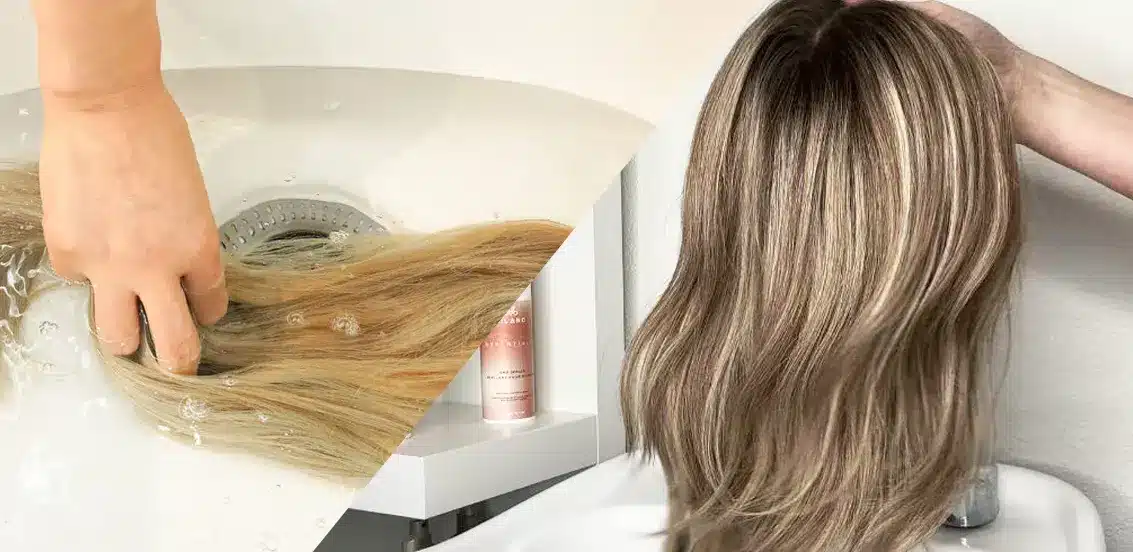
To extend the lifespan of your wig and keep it looking natural for as long as possible, wash it every 7 – 10 wears using a gentle sulfate-free shampoo followed by a lightweight conditioner. Always detangle carefully before washing, starting from the ends and working slowly upward with a wide-tooth comb to prevent breakage. After cleansing, pat the wig dry using a soft microfiber towel – never twist or wring, as this can distort the fibers and damage the lace base. Apply a small amount of leave-in conditioner or nourishing serum sparingly to maintain moisture without causing buildup. When storing your wig, place it on a ventilated stand in a cool, shaded area away from direct sunlight or heat vents to preserve its shape and gloss. Schedule periodic deep conditioning treatments, especially after heat styling or humid weather exposure. If the wig begins to tangle more often, shed excessively, or feel rough, consult a professional restoration specialist to rejuvenate the strands and inspect the lace foundation. With consistent and mindful care, a high-quality human hair wig can maintain its smooth texture, natural movement, and radiant appearance for up to three years or longer.
What problems occur with low-quality human hair wigs?
Low-quality wigs often display multiple structural and aesthetic flaws that become apparent after minimal use. Common problems include tangled fibers, uneven or brassy coloring, weak or inconsistent stitching, and hair that has been processed with reversed cuticles. These reversed cuticles create friction between individual strands, resulting in matting, frizz, and loss of natural movement after just a few washes. Other signs of poor craftsmanship can be found inside the wig. Inferior internal construction – such as glue-based foundations rather than hand-tied or knotted ventilation – tends to produce shedding, stiffness, and even discomfort at pressure points. Overly treated hair fibers may feel brittle or emit a burnt odor after being exposed to styling tools. Some budget caps also use coarse synthetic mesh that can irritate sensitive scalps. Clients who purchase cheap wigs online often seek professional repair or restructuring within months. To avoid these issues, consumers should carefully inspect stitching and weft placement, verify strand alignment, evaluate density uniformity, and favor reputable sellers who clearly disclose hair sourcing methods along with manufacturer quality certifications. A higher initial investment typically results in a longer-lasting, more natural-looking wig that requires less maintenance and delivers superior daily comfort.
What should I look for when choosing a professional wig specialist?
When selecting a wig specialist, it is important to evaluate both credentials and practical expertise. Look for certifications through respected organizations such as the American Wigs & Hair Replacement Association, along with proof of recent education in areas like hair system ventilation, lace repair, density balancing, and cap construction. A qualified specialist typically provides private consultations, accurate scalp measurements, and detailed customization options suited to your needs. They should clearly explain maintenance routines, adjustment services, and return policies before any purchase. Transparency is a strong indicator of reliability, so avoid stylists unwilling to discuss hair sources, supplier ethics, or previous work samples. During your visit, request to handle sample wigs to assess their weight, natural movement, and interior comfort. A credible professional will guide you through realistic expectations about upkeep costs, styling limitations, and long-term care responsibilities.
Is buying a human hair wig an urgent decision?
Purchasing a human hair wig should not be an impulsive choice but a thoughtful process guided by research, personal comfort, and style goals. It is wise to consider this step when you notice continuous hair thinning, irritation from styling, or a need for a refined look for an important event. A human hair wig can offer a more natural texture, longevity, and styling versatility compared to synthetic options. If your current synthetic wig has begun shedding, tangling, or losing its shape, it may be time to upgrade. Start by scheduling a professional consultation to take precise measurements and discuss how you plan to use the wig, such as for daily wear, medical reasons, or occasional fashion. Bring photos that illustrate your desired look, including color, length, and volume. An experienced stylist can prepare sample pieces to test different densities and textures so you can find your ideal balance between realism and comfort. This careful approach not only boosts confidence but also helps you understand maintenance routines, including washing techniques, heat styling precautions, and proper storage methods. Taking time to gather expert input reduces the likelihood of disappointment and ensures that your investment will remain beautiful and functional for years.