ORNA WIGS

Human-Hair Wig Recoloring: An Assessment Checklist

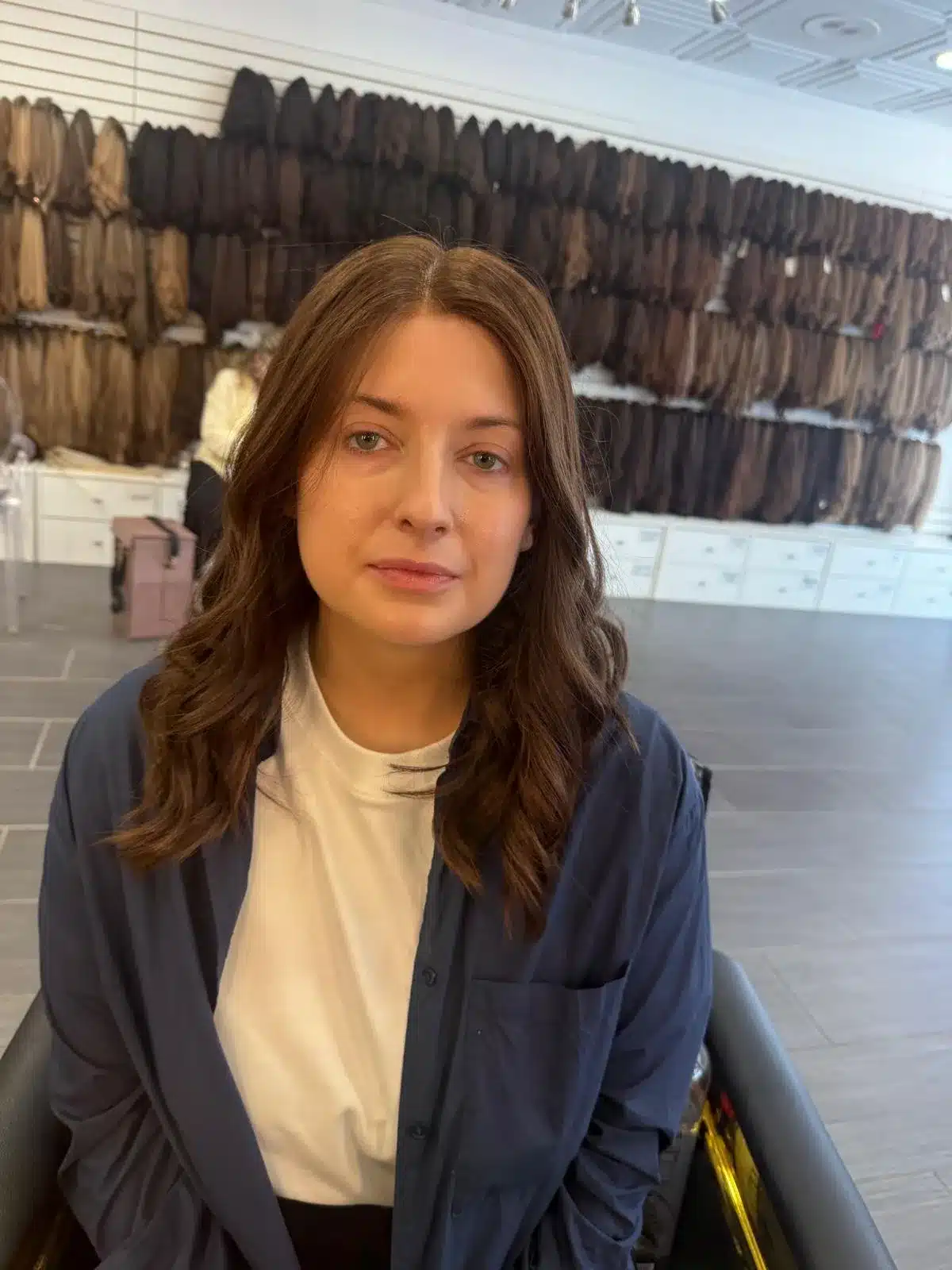
Smiling woman with long brown waves and a navy shirt seated beneath salon lights, with hair samples behind her.

Our custom color work includes custom shades and balayage, as well as highlights. Before human-hair wig recoloring, ask about cleaning and detangling needs and any lace or cap repairs.

For an existing wig, first discuss its cleaning and detangling needs. Then assess the condition of its lace and cap.

Can a human-hair wig be recolored?

An individual assessment must establish the possibilities for your particular piece.

You can explore our custom color options to help describe the change you have in mind. The achievable result still needs to be discussed for the wig you already own.

Define the color result you want before the assessment

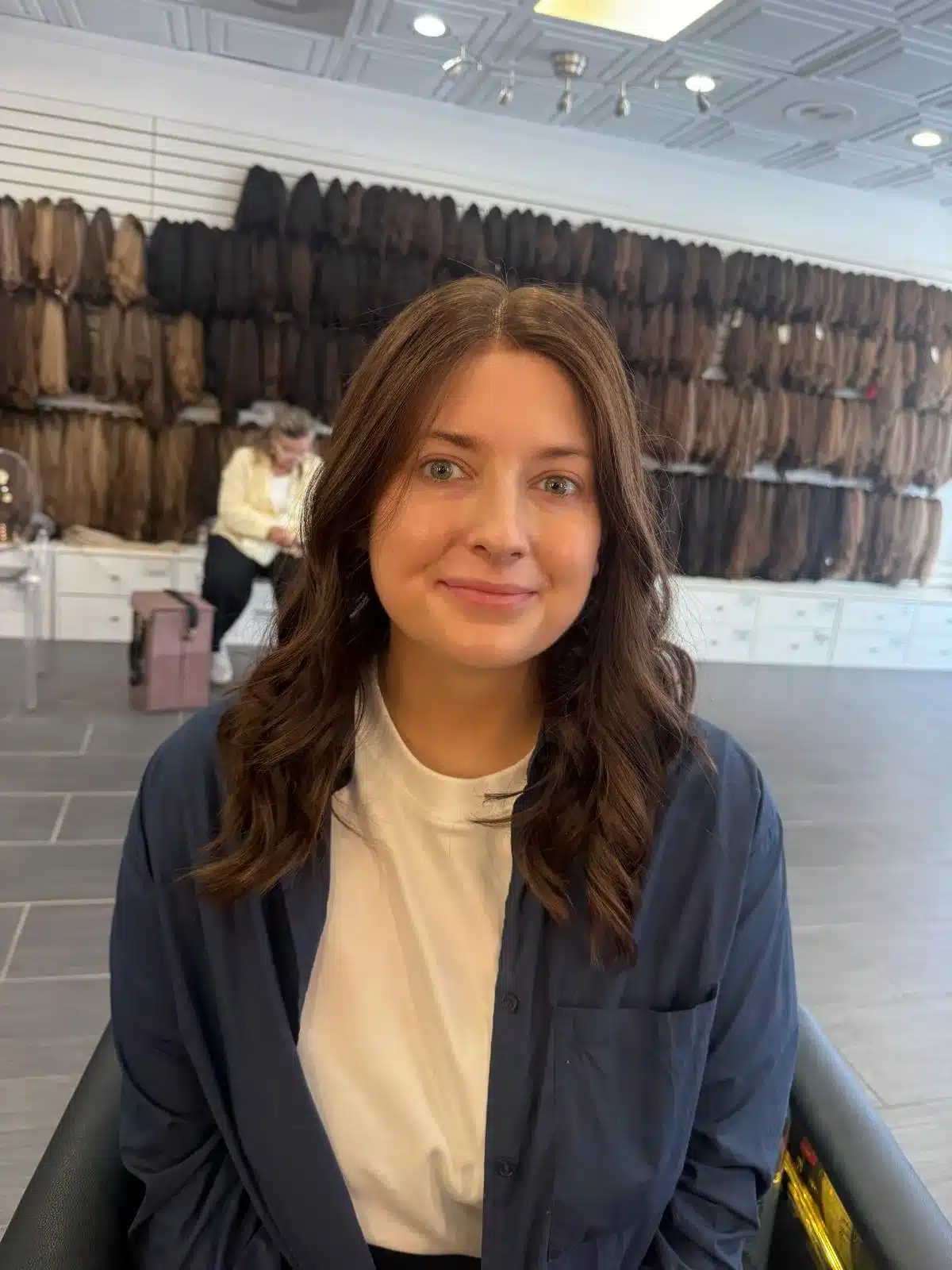
Woman with center-parted brown waves seated in front of rows of hair samples in a salon.

Start with the details you want to keep. That might mean familiar brown hair with subtle highlights, or a particular strawberry-blonde shade.

Separate your color goal from your styling goal. Soft curls describe shape, while highlights describe where lighter color appears. Naming both helps explain the look you hope to preserve or restore.

A reference photo can help you point out a shade or highlight placement. Treat it as a way to explain your preference; an exact match cannot be promised.

They also address your lifestyle and styling needs. For an existing wig, explain which features still feel like you and which you hope to change.

Human-hair wig recoloring assessment checklist

Have a wig-color professional assess the hair and construction before chemical color work. Color changes can be difficult to reverse, so avoid experimenting with dye at home.

In New York, applicable chemical coloring of a person’s hair requires the appropriate license under state cosmetology law. Check local requirements for the specific service.

Use these points to prepare for the assessment:

  • Current shade: Identify the wig's color now. Include existing highlights and visible differences between sections.
  • Desired change: Describe the custom shade or highlight placement you want, including details you hope to preserve.
  • Color history: Share any previous coloring you know about, and identify anything unknown.
  • Lace and cap: Point out visible tears or worn areas so the professional can assess the construction.
  • Lost hair: Identify areas with reduced fullness and ask whether replacement hair needs consideration.
  • Tangling and cleaning: Mention persistent tangles and ask whether cleaning or detangling should happen before a color decision.
  • Limits of the result: Ask what appears achievable for this piece and what remains uncertain before agreeing to work.

Check whether repairs should come before color

Torn lace or missing hair may need attention before a final color plan can be set. These concerns belong in the initial assessment.

Our human-hair wig repair process begins with an assessment and includes cleaning and detangling. We also describe replacement of lost hair and work on torn caps.

Ask which issues affect your piece and whether repair work should happen first. A wig needing replacement hair raises both fullness and shade questions for the professional.

Repair options depend on the piece being assessed.

Consider styling and reshaping as part of the final plan

Color planning can include the shape you want to wear afterward. For example, familiar brown highlights may be only part of a look that also includes soft waves.

Roller sets and pin curls are also offered. Steam setting and special-occasion updos are available too.

For haircut planning, we can discuss customization for bangs and face-framing layers.

Explain how you want the hair to sit around your face before settling the color plan. The professional can then assess which styling or cutting options suit the existing piece.

Confirm service eligibility before bringing in your wig

Acceptance of customer-owned or outside-brand wigs needs confirmation before booking. Confirm which coloring or repair services, if any, are available for your particular wig.

When you inquire, describe where the wig came from and the color change you want. Include any known color history or repair concerns so your request is specific.

We offer private fitting rooms for consultations at our studios. Our locations are in Manhattan and Pikesville, with the latter serving as our Baltimore studio.

Ask whether your existing wig can be assessed and which location to visit. Confirming that first keeps the appointment focused on your piece and the result you hope to discuss.

Visit our studios

New York Studio

127 E 56th St, New York, NY 10022

View studio

Baltimore Studio

708 Reisterstown Rd, Pikesville, MD 21208

View studio