
How to Deep Condition a Human Hair Wig for Long-Lasting Softness
February 11, 2026
- By
- Orna Wigs Couture Salon
- Professional Wig Care Specialists
Want a simple checklist to restore softness and shine to your human hair wig? At Orna Wigs Couture Salon, we’ve been helping clients protect their investment with professional wig care for years of experience, and we’ve seen exactly what keeps human hair looking luxurious. Whether you wear lace front wigs or full custom pieces, deep conditioning is the difference between silky movement and dry, brittle strands. We’ve also seen the opposite. One client stored her wig properly but skipped deep conditioning for months – within a year, the hair became rough and started snapping at the ends, forcing an early replacement. Neglect can shorten a high-quality wig’s lifespan significantly.
Quality Checklist for Long-Term Softness
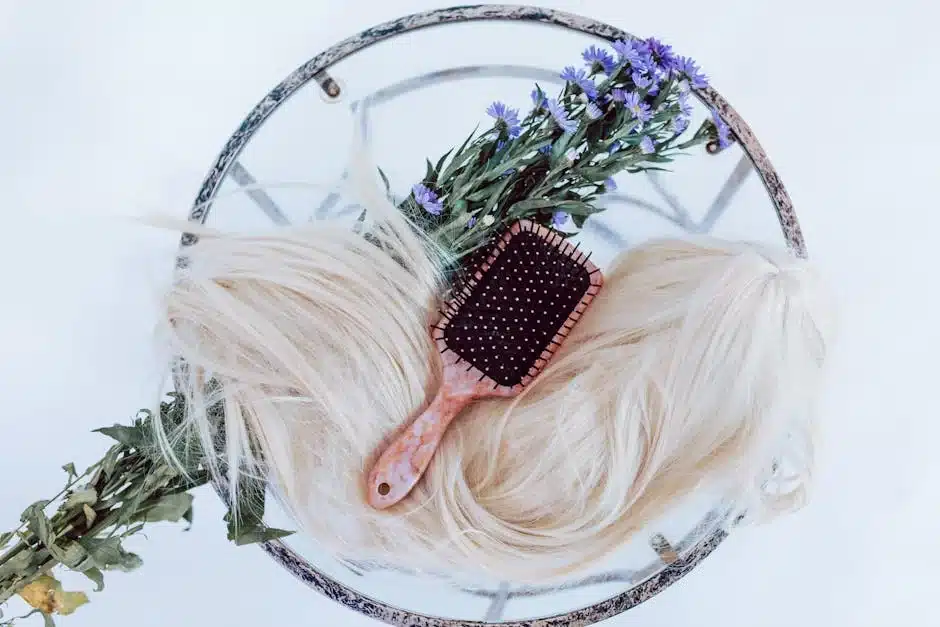
The most important best practice is moisture balance without overloading the hair. Deep conditioning should restore elasticity, not weigh the wig down. Professional handling protects the lace, knots, and density pattern while delivering hydration. Our in-salon checklist includes:
- Protein-Moisture Balance – Use masks containing hydrolyzed proteins in low concentrations. Too much protein causes stiffness; too little leads to weak strands.
- Low-Heat Processing – Keep heat under 110°F to avoid loosening hand-tied knots, especially in high-end custom sheitel designs.
- Water Temperature Control – Rinse with lukewarm then cool water to help close the cuticle and reduce frizz.
- Sectioned Application – Apply conditioner in vertical panels to prevent uneven saturation.
- Proper Drying – Air drying on a ventilated stand maintains shape and prevents mildew.
How to Protect Your Investment and Know When to Seek Help
Even when clients follow instructions, small mistakes can reduce softness. Understanding what to do – and what to avoid – prevents damage. DO:
- Deep condition every 7 – 10 wears – This maintains elasticity because human hair lacks scalp oils; apply evenly and rinse thoroughly.
- Use salon-grade hydrating masks – Professional formulations penetrate the cortex; follow manufacturer timing instructions.
- Dry completely before storage – Moisture trapped at the base can weaken knots; air dry on a stand for 24 hours.
- Don’t apply heavy oils to the base – Oils loosen knots and increase shedding; focus on mid-lengths and ends only.
- Don’t use high heat caps above 120°F – Excess heat may damage cuticles and lace adhesives.
- Don’t skip detangling before washing – Wet tangles tighten and cause breakage during rinsing.
Restore Softness With Professional Care
If your wig feels dry, tangled, or dull despite home conditioning, a professional evaluation can prevent further damage. We assess elasticity, density, knot security, and moisture balance before recommending treatment. Our team uses controlled heat processing, professional-grade masks, and precision application techniques designed specifically for human hair wigs. Whether your piece needs a simple moisture boost or corrective rebalancing, we provide tailored solutions that extend its lifespan and preserve its natural movement. Schedule a consultation and let us bring your wig back to its soft, healthy finish.
FAQs
How often should I deep condition a human hair wig?
Most human hair wigs benefit from a deep conditioning treatment every 7 – 10 wears, but the ideal frequency depends largely on how the wig is used and styled. If you regularly apply heat tools above 300°F or wear the wig on a daily basis, conditioning closer to every 5 – 7 wears can help replenish lost moisture and maintain softness. On the other hand, if the wig is worn occasionally and allowed to air dry with minimal product buildup, conditioning every 10 – 15 wears is typically sufficient. Pay close attention to signs of dryness such as dull appearance, increased tangling at the nape, rough texture, or stiffness. These are clear indicators of moisture depletion. Incorporating a light protein treatment periodically helps preserve elasticity and strength. Be cautious not to over-condition, as excessive moisture can weigh the hair down and reduce volume. Following a consistent, structured schedule ensures the wig remains healthy, manageable, and long lasting.
Can I use regular hair conditioner on my human hair wig?
You can use a regular conditioner if it is sulfate-free and silicone-balanced, but not every formula is suitable for wig care. Many drugstore conditioners contain heavy silicones, waxes, or thick coating agents that can cling to the hair fibers and create buildup over time. This buildup may cause the wig to feel stiff, look dull, and become more difficult to style. Instead, choose a professional quality hydrating mask or conditioner that includes hydrolyzed proteins, lightweight emollients, and nourishing ingredients that support softness without leaving residue. Avoid volumizing, clarifying, or deep cleansing conditioners, as these can strip essential moisture from the hair. Always apply conditioner from mid-length to ends and keep it away from the lace base to protect the structure. If you are uncertain about a product, bring it to your consultation so we can confirm it meets professional wig care standards.
How much does professional deep conditioning cost and how long does it take?
Professional deep conditioning services for wigs generally begin at approximately $45 and can range to $150 or more, depending on several important factors. Wig density and overall hair length significantly influence the amount of product required and the total time needed to complete the treatment. Thicker, longer wigs require more intensive application and processing to ensure moisture penetrates evenly from root to tip. If the wig is experiencing protein overload, extreme dryness, tangling, or buildup, corrective treatments may be necessary, which can increase the final cost. Most appointments last between 45 minutes and 2 hours, depending on conditioning depth, drying time, and any additional styling requested. Final pricing may also reflect material costs, labor time, and the overall scope of work. These estimates serve as general guidelines only. A thorough on-site evaluation is recommended to provide an accurate and personalized quote.
Is it better to deep condition at home or have it done professionally?
Home deep conditioning can be very effective when you follow proper techniques and use quality products. Apply controlled heat to help the treatment penetrate the hair shaft, choose formulas that match the wig’s needs, and distribute the product evenly while avoiding excessive manipulation near the knots. Always detangle gently before application and work in sections to ensure thorough coverage. However, professional service is strongly recommended if the wig feels stiff, sheds more than usual, appears dull, or has an uneven texture. In our studio, we perform elasticity testing and detailed strand analysis to determine whether the hair requires moisture, protein reinforcement, or a clarifying treatment to remove buildup. Clients with high density, lace based, or custom constructed pieces often benefit from professional handling because improper saturation or rinsing near the base can weaken knots and affect longevity. If you are fully confident in your technique and the wig is in stable condition, home care can maintain softness and shine. If there is any uncertainty, a professional evaluation helps protect your investment and extend the life of your unit.
What are the warning signs that my wig needs deep conditioning?
Key warning signs of dryness in a wig include a dull or lifeless appearance, increased tangling especially at the nape, rough or brittle ends, and reduced natural movement. Healthy strands should feel smooth and flexible, so when hair begins to lose elasticity, it may snap instead of stretching slightly when gently pulled. Excessive shedding during detangling can also point to weakened fibers. If brushing creates noticeable static, friction, or resistance, this often signals that moisture levels are depleted. Another common indicator is difficulty holding curls or maintaining a polished style, since dry hair lacks the suppleness needed to retain shape. It may also feel lightweight yet coarse to the touch. Address these concerns as soon as they appear. Start with gentle detangling using a wide tooth comb, cleanse with a hydrating shampoo, and follow with a balanced deep conditioner applied with low-heat to enhance absorption. If the wig still feels coarse or unresponsive after treatment, schedule a professional evaluation to check for protein imbalance, environmental damage, or stubborn product buildup.
Why does my wig feel stiff after deep conditioning?
Stiffness after conditioning often happens because of protein overload, product buildup, or incomplete rinsing. Many deep conditioning masks are formulated for natural hair and contain concentrated keratin or other strengthening proteins. While beneficial for damaged bio hair, these ingredients can make wig fibers feel rigid, especially if the wig has already been chemically processed. Heavy creams, butters, and oils can also coat the strands and create a stiff or waxy texture when not fully washed out. In some cases, using water that is too cool during rinsing prevents the product from dissolving properly. To fix this issue, start by gently cleansing the wig with a lightweight, sulfate free shampoo to remove excess residue. Follow with a moisturizing mask that focuses on hydration rather than protein. Rinse thoroughly with lukewarm water to ensure all product is removed, then finish with cool water to smooth the cuticle. Avoid leaving dense oils on the wig overnight unless the manufacturer specifically recommends it. If stiffness continues after proper care, consider a professional clarifying treatment combined with a moisture balancing service to safely restore softness and flexibility without compromising the integrity of the fibers.
What should I look for when choosing a salon for wig conditioning?
Look for licensed cosmetologists who have specific training in alternative hair systems and wig care, not just general salon experience. Professionals who pursue continuing education or maintain membership in organizations such as the Professional Beauty Association often demonstrate a stronger commitment to industry standards and evolving best practices. A reputable salon should use controlled heat equipment, adjustable temperature tools, and sturdy canvas block heads to secure wigs during processing. They should rely on professional grade products formulated for human hair systems rather than generic retail formulas that may cause buildup or dryness. Ask whether they evaluate elasticity, density, and knot security before beginning any service. Skilled providers will also explain protein moisture balance and tailor treatments accordingly. If someone applies conditioner directly to a lace base without protection or struggles to describe their process clearly, that may indicate limited expertise. Proper training and specialized tools are essential for preserving wig longevity and maintaining natural appearance.
What should I do if my wig suddenly becomes extremely tangled or dry?
Begin by gently detangling the wig while it is completely dry, using a wide-tooth comb or a specialized wig brush. Always start at the ends and slowly work your way upward toward the roots to minimize tension and reduce breakage. Avoid wetting hair that is severely tangled, as water can cause knots to tighten and become more difficult to remove. Before washing, lightly mist the hair with a leave-in conditioning spray to improve slip and make the detangling process smoother and safer. If the wig feels excessively dry, brittle, or begins shedding more than usual, stop all heat styling immediately and consider booking a professional evaluation. Severe tangling can be a sign of protein overload, friction damage from clothing or pillows, or heavy product buildup that weighs the hair down. Addressing these concerns early often restores softness and manageability. Waiting too long may result in breakage that requires trimming or more extensive structural repair. Prompt, careful maintenance helps extend the lifespan of the wig and reduces the need for costly restoration treatments later.