
How to Choose the Right Wig Density: A Complete Decision Guide
April 17, 2026
- By
- Orna Wigs
- Professional Wig Specialists
At Orna Wigs, we’ve guided clients for years on how to choose the right wig density based on lifestyle, face shape, and hair goals. Many women walk in focused on length or color, but density determines whether a wig looks naturally full or noticeably artificial. In Manhattan, we’ve seen how different lighting – from office fluorescents to bright outdoor sidewalks – can completely change how density appears. One client once purchased a high-density wig online assuming “more hair is better.” Under Midtown office lighting, the bulk at the hairline exposed the lace and made styling difficult. Choosing the wrong density can mean wasted money and daily frustration. If you’re still exploring options, our beginner’s guide to human hair wigs offers helpful background before you decide.
What excellent construction and consultation should include
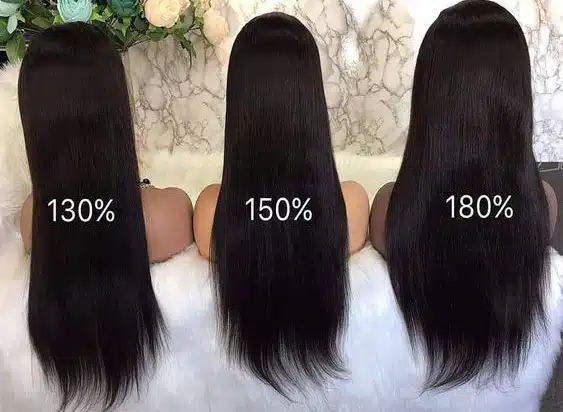
Choosing density starts with understanding how different percentages behave in real life. The best results come from matching density to face shape, daily activity, and climate. In Manhattan’s humid summers and windy avenues, overly thick wigs can tangle faster and lose shape. Here’s how common density levels compare:
- 100% – 120% (Light to Natural): Ideal for professional environments and first-time wearers. Offers realistic scalp visibility but may appear thin in very long styles.
- 130% – 150% (Medium): Balanced fullness. Works well for layered cuts and most lace front wigs. Maintains movement without excess bulk.
- 180%+ (Heavy): Dramatic volume suited for photoshoots or glam styling. Requires stronger cap construction and careful knotting to avoid a bulky hairline.

Questions to ask and what the process looks like
A professional density consultation should feel structured, not rushed. We begin by measuring head circumference (typically 21 – 23 inches for most adults), assessing natural hair thickness per square centimeter, and evaluating scalp sensitivity. This ensures the chosen density aligns with your comfort level. Consider asking:
- How is density distributed between the hairline and crown?
- What lace material supports this density best – Swiss, HD, or silk top?
- Will interior thinning or layering be required after production?
- How will humidity and daily commuting affect maintenance?
Get Expert Guidance Before You Commit
Choosing the right density affects how your wig feels, performs, and photographs in everyday life. The wrong choice can mean discomfort, premature wear, and unnecessary expense. We guide clients through density mapping, lace selection, and custom adjustments so the final result looks effortless under Manhattan lighting and daily routines. If you’re weighing options or unsure which percentage suits your lifestyle, we’re ready to walk you through a structured consultation and clear next steps.
FAQs
What wig density looks most natural in Manhattan office settings?
For most professional environments in Manhattan, 120% to 140% density appears the most natural. Office lighting – especially overhead fluorescent fixtures – can exaggerate volume and make very thick wigs look artificial. A slightly lighter hairline density (around 10 – 15% less than the crown) improves realism when seated under bright lights or near windows. Shoulder-length or layered cuts perform especially well at 130% because they maintain movement without appearing flat. If you commute daily and remove your wig at night, moderate density also reduces friction wear. The key is matching density to both hairstyle and environment rather than selecting the highest percentage available.
Does higher density mean better quality?
Higher density does not automatically mean higher quality. Quality depends on hair origin, cuticle alignment, knotting technique, and cap construction. A 180% density wig made with poorly aligned hair can tangle faster than a 130% density wig crafted with carefully ventilated strands. Excess density may also strain lace and shorten the wig’s lifespan if knots are packed too tightly. Well-constructed wigs distribute hair strategically – lighter at the hairline, fuller at the crown. In our experience, balanced density with strong hand-tied knots and breathable lace outperforms overly thick factory-made wigs in both durability and comfort.
How much does wig density affect the overall cost and timeline?
Density can influence both price and production time, especially for custom wigs. Higher densities require more premium human hair and longer ventilating hours, which may increase costs. In Manhattan, a standard custom wig might start around $1,200, while higher-density or specialty builds could range up to $4,500 or more. Timelines typically fall between 4 – 8 weeks depending on material availability and customization details. Pricing fluctuates based on site complexity, material costs, and total scope of design. Heavier densities may also require reinforced lace or silk tops, adding labor time. These figures are preliminary benchmarks for informational purposes only and do not constitute a binding quote. An on-site evaluation is required for a final proposal.
Can I thin out a wig myself if the density feels too heavy?
Minor thinning can be done at home with professional-grade texturizing shears, but caution is critical. Over-thinning one section creates visible gaps that cannot be reversed. We’ve seen clients attempt to thin the hairline and accidentally cut into lace, compromising the entire frontal. Strategic thinning requires understanding density distribution and growth patterns. If the wig feels bulky at the sides or crown, a professional can remove interior weight without affecting surface coverage. For high-investment human hair wigs, professional adjustment is usually safer and preserves longevity.
What are signs that my wig density is wrong for me?
Common signs include excessive heat buildup, difficulty parting the hair naturally, and visible bulk near the temples. If the hairline looks uniformly thick instead of gradually increasing in fullness, density may be too high in the frontal. Frequent tangling at the nape can also indicate excess weight. On the other hand, if the wig separates easily at the crown under bright light, density might be too low for the chosen length. Regular brushing with a wide-tooth comb and storing on a ventilated wig stand helps maintain shape, but persistent discomfort or imbalance signals the need for professional reassessment.
Are there common density mistakes clients make in Manhattan?
Yes – many clients choose higher density assuming it compensates for fine natural hair. In Manhattan’s windy streets and humid summers, heavy wigs can tangle faster and feel warmer during commutes. Another common mistake is selecting very high density for long, straight styles; the weight pulls downward and reduces natural movement. Bright retail and office lighting can also exaggerate fullness, making a 180% wig appear theatrical in everyday settings. Matching density to lifestyle – subway travel, walking outdoors, and indoor lighting – prevents these issues and improves long-term comfort.
What should I look for when hiring a wig professional?
Look for a licensed cosmetologist or wig specialist trained under recognized industry bodies such as the Professional Beauty Association (PBA). Ask about experience with density mapping, lace ventilation techniques, and scalp health assessments. A reputable professional should explain cap measurements, hairline customization, and maintenance expectations clearly. Insurance coverage and transparent pricing are also important, especially for high-value custom wigs. Consultation should include hands-on evaluation rather than quick percentage recommendations. Professionals who discuss lifestyle, styling habits, and environmental factors typically deliver more natural and durable results.
When should I schedule a professional density adjustment?
Schedule an adjustment if you notice persistent discomfort, visible hairline bulk, or excessive shedding caused by weight strain. While density issues are rarely urgent, ignoring them can shorten the wig’s lifespan and create scalp irritation. In the short term, reduce tension by loosening adhesive or clips and avoid tight styling. If tangling or overheating continues after basic maintenance, a professional can rebalance density through interior thinning or selective re-ventilation. Addressing the issue early prevents costly repairs and preserves both comfort and appearance.