
How to Choose a Wig Before Starting Chemotherapy: A Step-by-Step Playbook
June 4, 2026
- By
- Orna Wigs
- Professional Wig Consultants
Wondering what to do before hair loss begins? This checklist-style guide is for anyone preparing for treatment and wanting clarity, not guesswork. At Orna Wigs, we’ve been guiding clients through how to choose a wig before starting chemotherapy for years of experience, and we’ve seen how the right preparation changes everything. One client told us she felt calmer walking into her first infusion simply because her wig was already fitted and styled. Waiting too long is the mistake we see most. When hair begins shedding, emotions run high and sizing becomes harder because scalp sensitivity increases. Clients who delay often rush into online purchases that don’t fit properly, costing hundreds of dollars and adding unnecessary stress. Preparing early protects your confidence and your budget. For more on preparation timelines, visit our guide on when to buy a wig before chemotherapy.
What Excellent Wig Fitting Should Include
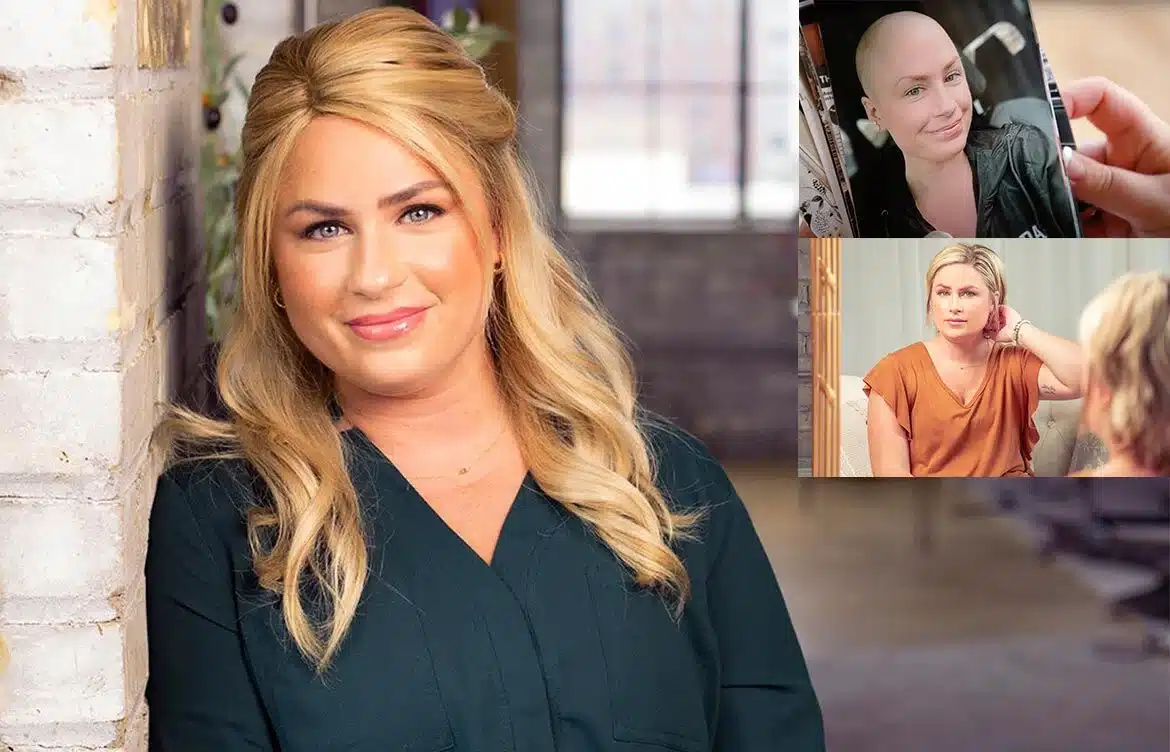
The most important best practices focus on medical sensitivity, accurate sizing, and ethical hair sourcing. A chemotherapy wig is not simply cosmetic; it must protect delicate skin and provide emotional stability during treatment. We align our process with guidance from the American Cancer Society and the Professional Beauty Association regarding sanitation and client safety. During a professional consultation, we ensure the following standards are met:
- Precise measurements: Circumference, front-to-nape, and ear-to-ear measurements recorded in inches or centimeters for accurate cap selection.
- Scalp assessment: Checking for existing sensitivity, dermatitis, or planned port placement that could affect comfort.
- Breathable cap construction: Monofilament or fully hand-tied caps to reduce friction and allow ventilation.
- Secure but gentle anchoring: Adjustable elastic straps, silicone ear tabs, or velvet wig grips instead of harsh adhesives.
- Sanitation protocols: Disinfected tools, clean liners, and compliance with state cosmetology board hygiene rules.

Costs, Insurance, and What to Do If the Fit Isn’t Right
Planning your budget before treatment reduces last-minute stress. Wig pricing may range widely depending on construction and fiber.
- Synthetic wigs: typically start around a few hundred dollars.
- Heat-friendly synthetic: may fall in the mid-hundreds.
- Human hair, hand-tied: can range into the higher hundreds or several thousand.
Schedule a Personalized Wig Consultation
Choosing a wig before chemotherapy is easier when you have a structured plan and professional guidance. We help clients compare cap constructions, evaluate fiber options, and secure a comfortable fit before treatment begins. Our consultations focus on accurate measurements, scalp sensitivity considerations, and realistic budgeting so there are no surprises later. If you want clarity on sizing, insurance documentation, or customization options, schedule a one-on-one evaluation with our team. We’ll walk you through each step, answer detailed questions, and ensure your wig feels secure, natural, and ready before your first appointment. Preparation now can prevent discomfort, rushed purchases, and unnecessary expense later.

FAQs
When is the best time to choose a wig before chemotherapy?
We recommend selecting your wig before noticeable hair loss begins, ideally soon after your treatment plan is confirmed. Measuring your head while you still have your natural hair allows us to match density, color tone, and part placement more accurately. Once shedding starts, the scalp can become tender, which makes fittings less comfortable and can slightly alter measurements. In our experience, clients who shop early feel more prepared and emotionally steady going into their first infusion. It also provides time for special orders or customization. If a wig needs trimming, thinning, or lace adjustments, those services may take additional appointments. Planning ahead prevents rushed decisions and reduces the risk of buying something that doesn’t feel secure or natural. Early preparation protects both your confidence and your investment.
Should I choose human hair or synthetic for chemotherapy?
The decision depends on lifestyle, maintenance preferences, and budget. Human hair wigs offer the most styling flexibility. You can curl or straighten them with regulated heat tools, and they tend to move very naturally. However, they require regular washing, conditioning, and restyling after each wash. High-quality synthetic wigs, especially heat-friendly fibers, hold their style even after washing and typically require less daily effort. For clients managing fatigue during treatment, synthetic often feels more practical. We explain how friction from collars or scarves can affect each fiber type and how humidity impacts style retention. Neither option is universally better. We evaluate your routine, desired look, and comfort needs. The goal is choosing a fiber that supports your energy level and daily schedule during treatment rather than creating extra work.
How much does a chemotherapy wig usually cost?
Chemotherapy wig costs can vary significantly depending on construction and fiber. Synthetic wigs typically start around a few hundred dollars, while heat-friendly versions may range higher. Fully hand-tied human hair wigs can range from the high hundreds into several thousand dollars. Pricing may fluctuate based on cap complexity, material costs, and total scope of customization such as precision cutting or density reduction. Insurance reimbursement may offset some expenses if a prescription for a cranial prosthesis is provided. Custom orders can take several weeks, while in-stock pieces may be fitted immediately with minor adjustments completed the same day. These figures are preliminary benchmarks for informational purposes only and do not constitute a binding quote. An on-site evaluation is required for a final proposal.
Can I buy a wig online instead of seeing a professional?
Online purchasing can work if you already know your exact measurements, preferred cap construction, and fiber type. However, many clients underestimate the importance of precise circumference and front-to-nape measurements. Even a half-inch difference can affect stability and comfort. Without a professional fitting, it’s harder to assess density, hairline realism, and pressure points. We’ve seen clients purchase attractive wigs online that slipped because the cap was too large or caused discomfort because the ear tabs sat incorrectly. Professional guidance becomes especially valuable when scalp sensitivity is expected. We evaluate cap breathability, adjust straps properly, and recommend gentle securing methods. If you choose to buy online, we still suggest scheduling a fitting for adjustments to protect comfort and longevity.
How do I care for my wig during chemotherapy?
Proper care protects both appearance and comfort. We recommend washing synthetic wigs every 6 – 8 wears using sulfate-free wig shampoo and cool water. Human hair may require moisturizing conditioner and occasional deep conditioning treatments. Always air-dry on a ventilated wig stand to maintain cap shape. Avoid high heat unless the fiber is specifically labeled heat-friendly. Friction from coats or seatbacks can cause tangling at the nape, so gentle detangling with a wide-tooth comb is essential. Monitor the interior cap for buildup from lotions or perspiration, and clean it gently according to manufacturer instructions. Regular maintenance prevents matting, fiber breakdown, and odor. Consistent care extends lifespan and preserves the wig’s natural appearance throughout treatment.
What are common problems people face with wigs before chemotherapy?
Common issues include improper sizing, excessive density, and unrealistic hairlines. A wig that is too tight may cause headaches, while one that is too loose can shift unexpectedly. Density that looks beautiful on a mannequin can feel heavy and unnatural once worn daily. Another challenge is selecting a dramatically different style without considering daily maintenance. During treatment, energy levels may fluctuate, so complex styling routines can become frustrating. We also see tangling at the nape when synthetic fibers rub against clothing. Choosing the correct length and fiber quality reduces this risk. Addressing these factors before purchase ensures the wig feels manageable and comfortable rather than overwhelming during an already demanding time.
What should I look for when choosing a wig professional?
Look for providers who follow state cosmetology board sanitation standards and who take detailed measurements rather than estimating size visually. Proper hygiene, clean tools, and disposable liners are basic safety expectations. Experience with medical hair loss matters. A knowledgeable professional should explain cap construction differences, fiber behavior, and secure anchoring options without pushing a single product. Transparent pricing and written policies on returns or customization are also important. We encourage clients to ask how adjustments are handled if discomfort develops. A qualified provider should offer follow-up support. Selecting a professional who prioritizes fit, scalp sensitivity, and education helps ensure the wig supports your treatment journey rather than adding stress.
What if my wig feels uncomfortable after I start treatment?
Discomfort can occur as the scalp becomes more sensitive during treatment. If you notice itching, pressure, or slippage, stop wearing the wig temporarily and inspect the cap interior. Check whether straps are too tight or if seams are rubbing specific areas. Often, minor adjustments such as loosening elastic straps, adding a soft bamboo liner, or inserting silicone ear tabs can resolve the issue quickly. Avoid using strong adhesives unless specifically recommended for medical use. If irritation persists, schedule a professional evaluation. Continued friction can cause redness or skin breakdown. Addressing discomfort early protects scalp health and ensures you remain comfortable throughout treatment.