
Full Lace vs Custom Human Hair Wig: What’s the Real Difference?
April 8, 2026
- By
- Orna Wigs
- Professional Wig Specialists
Full Lace vs Custom Human Hair Wig – which one actually gives you the look, comfort, and longevity you expect? At Orna Wigs, we’ve guided clients through this decision for years of experience, and we’ve noticed that most confusion comes from mixing up construction type with customization level. They are not the same. Choosing based on appearance alone can backfire. We’ve seen clients invest in a beautiful wig that didn’t match their scalp measurements, leading to slippage, tension headaches, or premature lace tearing. If you’re still deciding on a natural type of wig, understanding the structural differences first will save time, money, and frustration.
What true customization should include
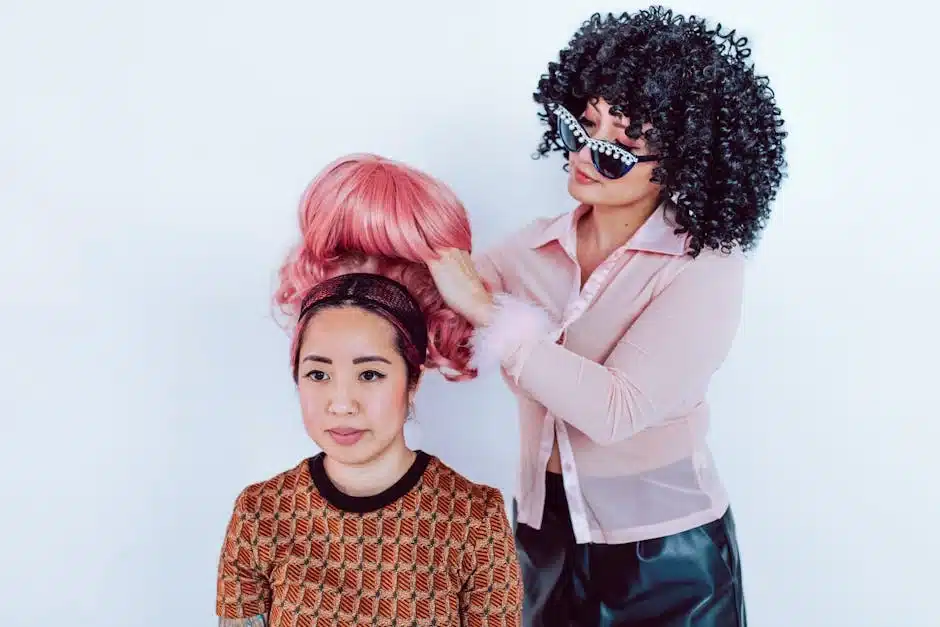
The most important best practice with a custom human hair wig is precise measurement and intentional design. A custom wig is not defined by the lace type alone – it’s defined by how it’s built specifically for one individual’s head shape, density preference, lifestyle, and hairline. A professional custom process should include:
- Full circumference, nape-to-front, ear-to-ear, and temple measurements taken with a flexible tailoring tape
- Density mapping (lighter at the hairline, fuller at the crown)
- Hair selection – cuticle-aligned human hair to reduce tangling
- Cap choice (lace, silk top, or combination construction)
- Ventilation pattern tailored to natural growth direction

How Full Lace and Custom Human Hair Wigs compare in real life
The key distinction in Full Lace vs Custom Human Hair Wig comes down to construction versus personalization. A wig can be both full lace and custom – but many off-the-shelf full lace wigs are not customized.
One client tried a ready-made full lace wig for daily wear. After repeated adhesive removal with alcohol-based solvents, the lace thinned at the hairline. Switching to a custom unit with reinforced temple tabs extended wear significantly. Which should you choose?
| Criteria | Full Lace Wig | Custom Human Hair Wig |
|---|---|---|
| Base Construction | Entire cap made of lace | May use lace, silk top, or hybrid cap |
| Styling Flexibility | High – multi-directional parting | Depends on chosen cap construction |
| Fit Precision | Standard sizes unless tailored | Built to exact head measurements |
| Longevity | Moderate; lace can tear with tension | Often longer due to reinforced stress areas |
| Cost Range | May range from $800 – $2,500 | Typically falls between $1,800 – $4,500+ |
| Production Time | Ready-made or short turnaround | May require 4 – 12 weeks |
- Choose full lace if you want maximum styling flexibility and occasional wear.
- Choose custom human hair if you wear your wig daily and need precision fit.
- Choose both (custom full lace) if budget allows and realism is your top priority.
Still Deciding? Let’s Clarify Your Options
Choosing between construction type and customization level can feel overwhelming without hands-on guidance. We evaluate head measurements, lifestyle needs, styling preferences, and long-term maintenance goals before recommending a direction. Whether flexibility, durability, or scalp realism matters most, we walk through the technical differences so you understand exactly what you’re investing in. If you’re unsure which structure aligns with your daily routine, schedule a low-pressure consultation and we’ll review your options side by side.
FAQs
Can a wig be both full lace and custom human hair?
Yes. “Full lace” describes the cap construction, while “custom human hair” describes how the wig is designed for a specific individual. A wig can absolutely be both. For example, we may construct a full lace cap using Swiss lace and then customize density mapping, hairline irregularity, and circumference measurements. The key is confirming that customization includes precise measurements and not just color selection. When clients assume all full lace wigs are custom, fit problems often follow. If you want maximum styling flexibility and exact fit, requesting a custom full lace build is the most comprehensive approach.
Which option looks more natural at the hairline?
Both can look natural when properly constructed, but technique matters more than label. A full lace wig allows natural-looking parting anywhere, which enhances realism. A custom human hair wig often includes hand-tied, single-knot ventilation along the hairline with slight density graduation, creating a softer transition. We sometimes incorporate subtle irregular spacing to mimic natural growth patterns. Bleached knots and lace tinting to match skin tone also improve realism. If the wig arrives with a dense, perfectly straight hairline or visible grid pattern, it will look artificial regardless of whether it is full lace or custom.
How much does a full lace vs custom human hair wig cost and how long does it take?
A ready-made full lace wig may range from $800 to $2,500 depending on hair quality and density. A fully custom human hair wig typically starts around $1,800 and can exceed $4,500 depending on complexity. Production time for custom pieces may take 4 – 12 weeks. Pricing fluctuates based on material costs (hair origin and lace type), total scope (density, length, silk top integration), and design complexity (ventilation detail and cap structure). These figures are preliminary benchmarks for informational purposes only and do not constitute a binding quote. An on-site evaluation is required for a final proposal.
Is it okay to buy a full lace wig online without a consultation?
For occasional wear, purchasing online can work if you know your exact measurements and density preference. However, daily wearers often encounter issues such as lace stretching, improper nape placement, or excessive bulk at the crown. Without professional measurement – circumference, ear-to-ear, and front-to-nape – the cap may shift during wear. We’ve seen clients spend more correcting an ill-fitting wig than investing in proper customization initially. If you experience scalp sensitivity, hair loss conditions, or require secure attachment methods, professional guidance reduces long-term frustration and cost.
What maintenance differences should I expect?
Full lace wigs require careful handling because the entire cap is delicate lace. Adhesive removal should use lace-safe, oil-based or silicone-based removers rather than harsh alcohol solutions that weaken fibers. Custom human hair wigs may include reinforced areas, but still require sulfate-free shampoos, low-heat styling (below 350°F), and proper air drying on a ventilated wig stand. If you notice increased shedding at the hairline or lace fraying at stress points, schedule maintenance before tears expand. Regular professional tightening or reinforcement can extend lifespan significantly.
What are the most common problems with full lace wigs?
The most frequent issues include lace tearing at the temples, excessive shedding from over-bleached knots, and cap stretching from improper removal. Overuse of strong adhesives without proper solvent breakdown weakens lace fibers. Another common problem is choosing density too high for face shape, creating an unnatural appearance. We also see tangling when hair is not cuticle-aligned. Addressing these issues early – through reinforcement stitching or density adjustment – prevents irreversible damage. Construction quality and proper care routines make a measurable difference in durability.
How do I choose a qualified professional for a custom wig?
Look for a licensed cosmetologist or wig professional who follows sanitation standards outlined by state cosmetology boards and aligns with Professional Beauty Association guidelines. Ask whether they take full head measurements, discuss density mapping, and explain hair sourcing. Professionals should be transparent about hair origin, knotting techniques, and turnaround time. If someone promises immediate delivery of a fully custom piece without measurements, that signals a lack of true customization. Clear written policies, maintenance guidance, and realistic timelines indicate professional standards.
When should I schedule professional help instead of waiting?
Schedule professional evaluation if you notice lace tearing, excessive shedding, cap slippage, or scalp irritation. Waiting can worsen structural damage – small lace splits expand quickly with tension. If adhesives begin causing redness or itching, reassessing attachment method protects scalp health. Minor issues are often repairable when addressed early. Routine check-ins every few months for daily wearers help reinforce stress areas and refresh styling. Even without visible problems, periodic professional assessment extends the lifespan of both full lace and custom human hair wigs.