
Beginner Friendly Wig Store – Easy Install & Natural Styles
February 24, 2026
- By
- Orna Wigs New York
- Professional Wig Specialists
How do you know if a Wig Store is truly beginner friendly – or just claiming to be? At Orna Wigs New York, we’ve been guiding clients through their first wig purchase for years of experience, and we’ve seen how overwhelming the options can feel. This guide breaks down what to prioritize, what to avoid, and how to choose a wig that looks natural and feels secure from day one. For those exploring real hair options, our human hair wigs collection is often where beginners start. Many first-time buyers assume any lace wig will look realistic. We’ve seen clients spend thousands on dense, overly dark wigs that required major thinning and color correction before they were wearable. Choosing the wrong density, cap construction, or installation method can mean discomfort, scalp irritation, and costly alterations.
What to Look For in an Easy Install, Natural Style
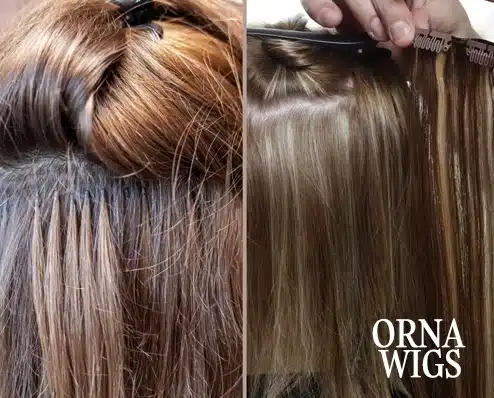
The best beginner experience comes down to proper cap construction, realistic density, and guided fitting. A Wig Store should explain these differences clearly and show you how each option behaves on your head – not just on a display. Here’s how common options compare:
- Glueless lace wigs: Ideal for beginners. Adjustable straps and elastic bands allow secure wear without adhesive. However, poor lace quality can create visible hairlines under bright lighting.
- Full lace wigs: Offer maximum styling flexibility, including updos. They require more skill to position correctly and can feel delicate if over-handled.
- Machine-wefted wigs: More affordable and durable, but may lack natural scalp movement and can feel bulky at the crown.
- Silk-top wigs: Provide a realistic scalp illusion but can be slightly thicker at the parting area.
What to Ask and What the Timeline Looks Like
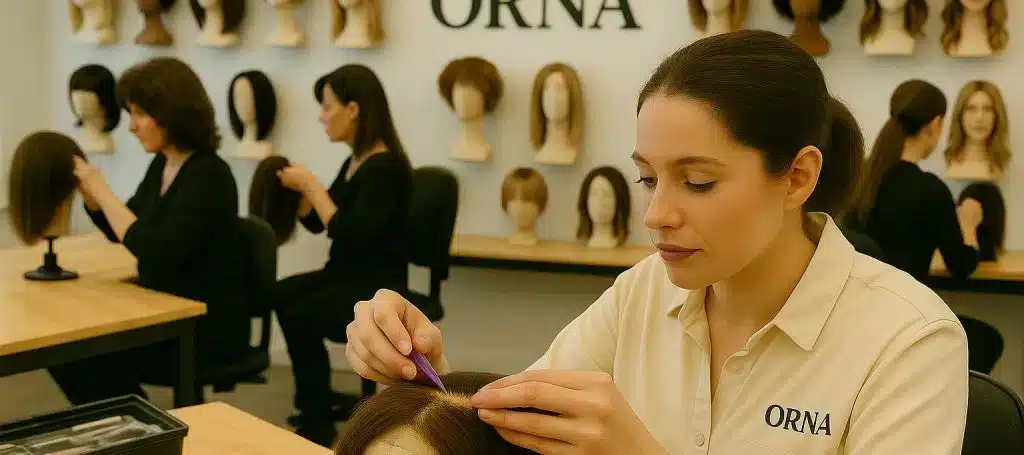
A beginner friendly Wig Store should outline a clear process from consultation to final styling. We guide clients through structured steps to reduce guesswork and ensure proper fit.
- Consultation: Head measurements (circumference, front-to-nape, ear-to-ear) are taken with a soft measuring tape. Lifestyle, scalp sensitivity, and styling preferences are discussed.
- Cap selection and density choice: Typically 120 – 150% density for everyday wear.
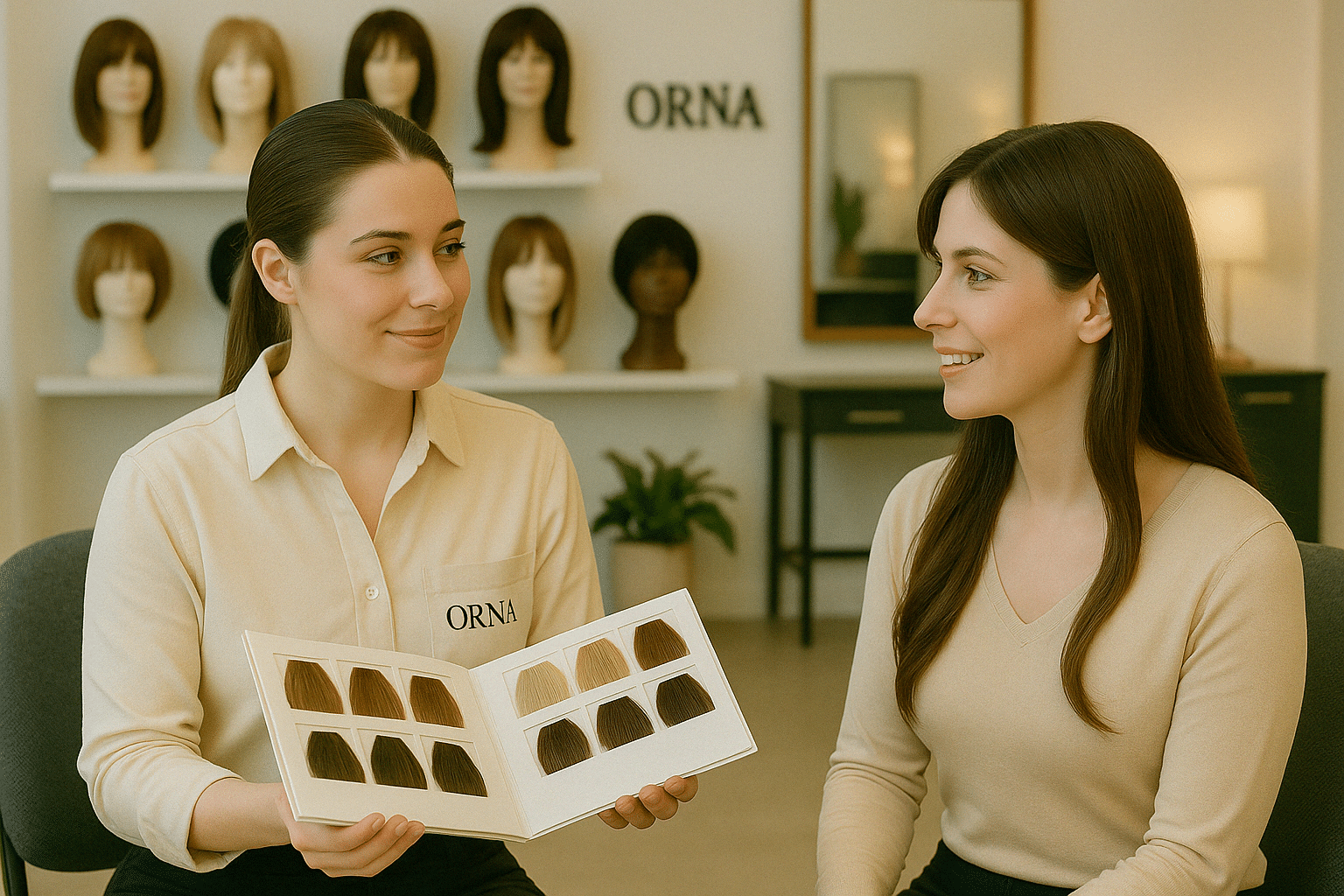
- Color matching: Custom toning may involve low-ammonia professional dyes formulated for human hair wigs.
- Cut and finishing: Face-framing layers or a bob reshape the silhouette.
Get Expert Guidance Before You Commit
Choosing your first wig is a meaningful investment, and you deserve to feel confident every step of the way. At Orna Wigs New York, we guide you with clarity, honesty, and expert care so you can make a decision you feel great about. Our specialists carefully assess fit, density, cap construction, lifestyle needs, and long term maintenance before recommending any option. This personalized approach helps you avoid costly mistakes, unnecessary alterations, and disappointment down the road. Do not leave such an important choice to guesswork. A professional consultation now can save you time, money, and frustration later. We are here to answer your questions, explain every detail, and ensure your wig looks natural not just in the showroom, but in everyday life. Book your consultation today and experience the confidence that comes from making the right choice from the start.
FAQs
What makes a Wig Store beginner friendly?
A beginner friendly Wig Store provides structured, step by step guidance rather than simply displaying inventory and expecting clients to decide on their own. Staff should take time to measure your head accurately, assess your hairline, and explain how proper sizing affects comfort and security. They should clearly describe cap construction differences, including lace front, full lace, and basic caps, and demonstrate how to secure and remove the wig safely without damaging natural hair. Clear explanations about density, such as 120 – 150% for natural everyday wear, along with guidance on lace types and realistic maintenance requirements, are essential for first time buyers. In our experience, stores that rush clients into high density or dramatic styles without discussing lifestyle needs often create long term dissatisfaction. Beginners benefit from glueless caps, adjustable straps, breathable materials, and pre plucked hairlines that reduce styling complexity. Transparent pricing, proper sanitation practices aligned with Professional Beauty Association standards, and a willingness to provide follow up adjustments or trimming services also define a supportive environment. A truly beginner friendly experience prioritizes comfort, scalp health, confidence, and realistic expectations over passing trends.
Are human hair wigs better for a natural look?
Human hair wigs are widely regarded as the most natural looking option because the cuticles remain aligned, allowing the strands to move, reflect light, and respond to styling much like biological hair. This alignment creates realistic flow, softness, and dimension that is difficult to replicate with synthetic fibers. Human hair can be curled, straightened, or blow dried with controlled heat, typically kept below 350°F to maintain strength and prevent dryness. It can also be professionally toned or colored using salon quality formulas created for processed hair, offering greater versatility for those who enjoy changing their look. Synthetic wigs, on the other hand, are often more affordable and tend to hold their original style even after washing, which reduces daily effort. However, they may display excess shine under bright lighting and can lack the depth and scalp realism found in high quality human hair pieces. For beginners who want effortless blending and flexible styling, human hair is often the preferred choice. Still, lifestyle, budget, climate, and maintenance commitment all play important roles in selecting the best option.
How much does a beginner friendly wig typically cost?
Beginner friendly human hair wigs typically range from 1,200 dollars to 3,500 dollars, depending on several important variables such as hair quality, cap construction, and the level of customization involved. Higher grade human hair, especially hair that is ethically sourced and minimally processed, generally commands a higher price because it offers greater longevity, natural movement, and versatile styling options. Synthetic wigs may begin at a few hundred dollars, making them more accessible upfront, but they often have a shorter lifespan and limited heat styling capability compared to human hair alternatives. Pricing is primarily influenced by three core factors:
- Hair origin and overall material costs
- Cap complexity and construction technique
- The extent of customization, including color correction, density adjustment, or precision cutting
Can beginners install a wig themselves, or should they get professional help?
Many beginners can successfully install a glueless wig on their own once they receive clear and accurate instruction. Modern designs feature adjustable elastic bands, strategically placed combs, and customizable lace tinting, all of which make daily wear convenient and secure without the need for adhesive products. Watching a trained professional demonstrate proper positioning, trimming of excess lace, and natural hairline alignment can significantly reduce common mistakes and build confidence. Professional assistance is especially important when resizing a cap, bleaching knots, altering hair density, or reshaping the hairline to suit specific facial features. Incorrect bleaching techniques may weaken the knots and lead to premature shedding, while improper adhesive application can cause scalp irritation or product buildup. For first time buyers, scheduling at least one professional fitting session is highly recommended to learn correct placement, blending methods, and maintenance routines. After gaining this foundational knowledge, most individuals find that daily installation, styling, and removal become simple and manageable with minimal ongoing assistance.
How do I maintain my wig to keep it looking natural?
Proper maintenance plays a crucial role in preserving both the longevity and the natural appearance of a human hair wig. Establish a consistent care routine by washing the wig every 8 to 12 wears, or sooner if there is noticeable product buildup. Use a sulfate-free shampoo and lukewarm water to gently cleanse without stripping moisture. Apply conditioner mainly to the mid lengths and ends, avoiding the base to prevent loosening knots. After washing, gently blot excess water with a soft towel rather than rubbing. Detangling is essential for preventing breakage. Use a wide-tooth comb and begin at the ends, gradually working your way upward to minimize tension on the strands. Allow the wig to air dry on a ventilated wig stand to help maintain the cap structure and encourage proper airflow. Limit heat styling and keep tools at moderate temperatures to avoid dryness or damage. Store the wig in a cool, dry place away from direct sunlight to prevent fading. Regularly inspect the lace, nape, and interior cap for tangling, shedding, or loose stitching so small concerns can be addressed promptly. Consistent care helps maintain softness, density, shine, and realistic movement over time.
What are the most common beginner mistakes when buying a wig?
One common mistake buyers make is choosing an overly high density simply because it looks glamorous in photos or on social media. While extra fullness can photograph beautifully, in everyday settings it may appear bulky, heavy, and unrealistic. A wig that is too dense can also feel uncomfortable and harder to style. Another frequent issue is ignoring cap size. Even a half inch difference in circumference can cause the wig to shift, slide back at the hairline, or create pressure points that lead to discomfort throughout the day. Lace tone is another detail that is often overlooked. If the lace is not properly matched or tinted to the scalp, it can appear gray, ashy, or visibly separate from the skin. Finally, many people skip professional customization. Without careful cutting, thinning, or face framing layers, the wig may look stiff or artificial. Addressing each of these factors before purchasing helps ensure a natural appearance and prevents unnecessary frustration and added expenses later.
What should I look for when choosing a professional Wig Store?
Look for transparent consultation processes, sanitation standards that align with Professional Beauty Association guidance, and clear, thorough explanations of cap construction and material options. A reputable provider should take time to measure your head accurately, assess hairline placement, and discuss your daily routine, climate, and styling preferences before recommending any specific product. They should present customization options such as density adjustments, lace type, parting style, and color matching instead of steering you toward a single preselected style. A professional environment typically includes visibly clean tools, properly maintained wig stands, organized workstations, and open conversation about techniques like knot bleaching, ventilation methods, density control, and safe color processing. Client reviews, testimonials, and before and after photos help demonstrate consistent real world results. Businesses that offer follow up services such as resizing, thinning, conditioning treatments, or haircut refinements show an ongoing commitment to fit, comfort, and long term client satisfaction.
What if my wig doesn’t feel comfortable after purchase?
Discomfort while wearing a wig often stems from incorrect cap sizing, overly tight elastic bands, or improper placement on the scalp. If your wig feels uncomfortable, begin by checking the strap adjustments and confirming that the wig aligns properly with your natural hairline. A wig that sits too far forward or too far back can create unnecessary tension and uneven pressure. Small pressure points around the temples or nape may improve with minor elastic adjustments or by slightly loosening internal straps. In some cases, adding soft padding to specific areas can also help distribute weight more evenly. If irritation, tenderness, or headaches persist, schedule a professional fitting evaluation. Continuing to wear a poorly fitted wig can contribute to scalp sensitivity, inflammation, or traction-related hair loss over time. Early adjustments such as resizing the cap, adding silicone grip strips for stability, or refining the interior structure of the wig often resolve these concerns quickly. Promptly addressing fit issues not only improves daily comfort but also protects long-term scalp health and supports the longevity of your wig investment.