
A Beginner’s Guide to Choosing Human Hair Wigs
March 19, 2026
- By
- Orna Wigs New York
- Professional Wig Designers
Many people assume that all human hair wigs provide the same results, but at Orna Wigs New York, we know that is far from the truth. Through years of working with clients at our professional wig shop, we’ve seen how major the differences can be between factory-made wigs and those that are expertly handcrafted. A well-made wig involves much more than just how it looks on a stand or in photos. The quality of the cap, the construction method, and the type of knots used determine how comfortable and natural a wig will feel during daily wear. One client once brought in a mass-produced piece that looked glamorous online but quickly became itchy and unstable after only a week. Its synthetic lining trapped heat, and the poorly tied knots loosened after minimal use. Our repair services helped restore the wig’s shape, but the cost came close to buying a new high-quality unit. This experience reminded them, as it reminds us, that understanding materials, craftsmanship, and ventilation is essential when selecting a human hair wig. Taking the time to evaluate these factors not only enhances comfort and durability but also protects scalp health and ensures long-term satisfaction.
Why expert evaluation and standards matter
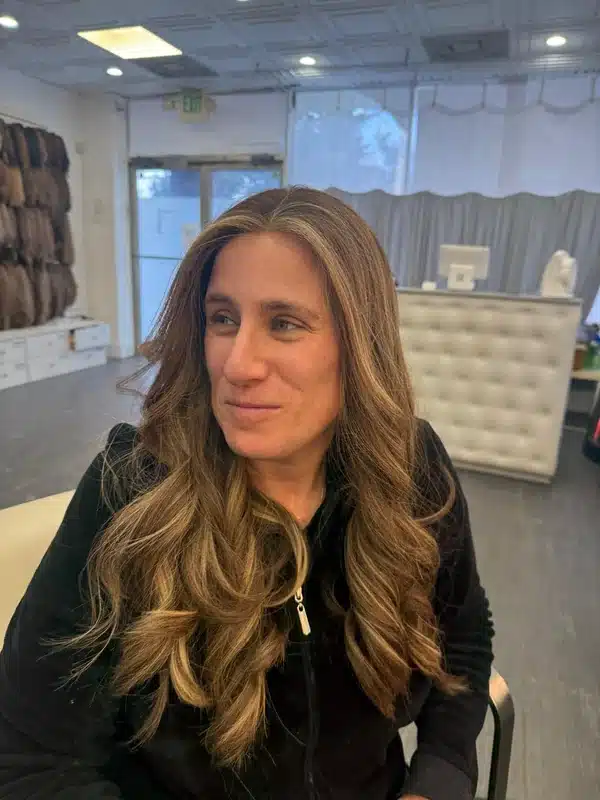
Understanding why local expertise matters is essential when selecting and fitting a high quality wig. Professionals based in your area have first-hand knowledge of regional climate, humidity, and lifestyle trends that directly influence wig performance and comfort. For example, stylists and fitters in New York often consider seasonal temperature shifts, commuting patterns, and urban air quality when customizing wig ventilation and knot strength. This type of insight helps you achieve a more natural fit and reliable daily wear experience. Local experts not only take precise measurements but also interpret scalp texture and sensitivity patterns common to the local population. Their familiarity with regional suppliers ensures you receive authentic, ethically sourced materials that meet both quality and compliance guidelines. Skilled technicians consistently follow a sequence of proven steps to deliver a tailored result:
- Evaluate scalp texture, density needs, and hairline contour to identify suitable cap construction.
- Take accurate head measurements – ear to ear, front to nape, and full circumference – ensuring personalized fit and comfort.
- Select traceable, cuticle aligned hair sourced through transparent ethical channels.
- Adjust lace density and knotting tightness to balance styling flexibility with long term durability.

Practical takeaways, budget factors, and when to call a pro
Choosing a human hair wig locally offers immediate advantages that extend far beyond aesthetic appeal. When you visit a nearby custom natural hair wig maker, you gain access to personalized attention, real-time adjustments, and expert insight into how different textures, densities, and bases feel on your scalp. Local fittings deliver genuine comfort because a skilled technician can shape and secure the cap precisely to your head measurements. This one-on-one care ensures your wig feels balanced, natural, and effortless during daily wear.
- Local expertise: Trained artisans within your community understand climate, lifestyle, and cultural trends, helping you choose styles that suit both appearance and practicality.
- Immediate service: Local providers can handle minor repairs, reconditioning, or color refreshes without the delays of shipping items back and forth.
- Perfect fit assurance: Precise local measurements reduce the risk of tightness, slippage, or uneven pressure, ensuring a secure and natural fit.
- Ongoing support: Repeat visits allow stylists to adjust density, parting, or length as your preferences evolve.
Get Expert Wig Advice Today
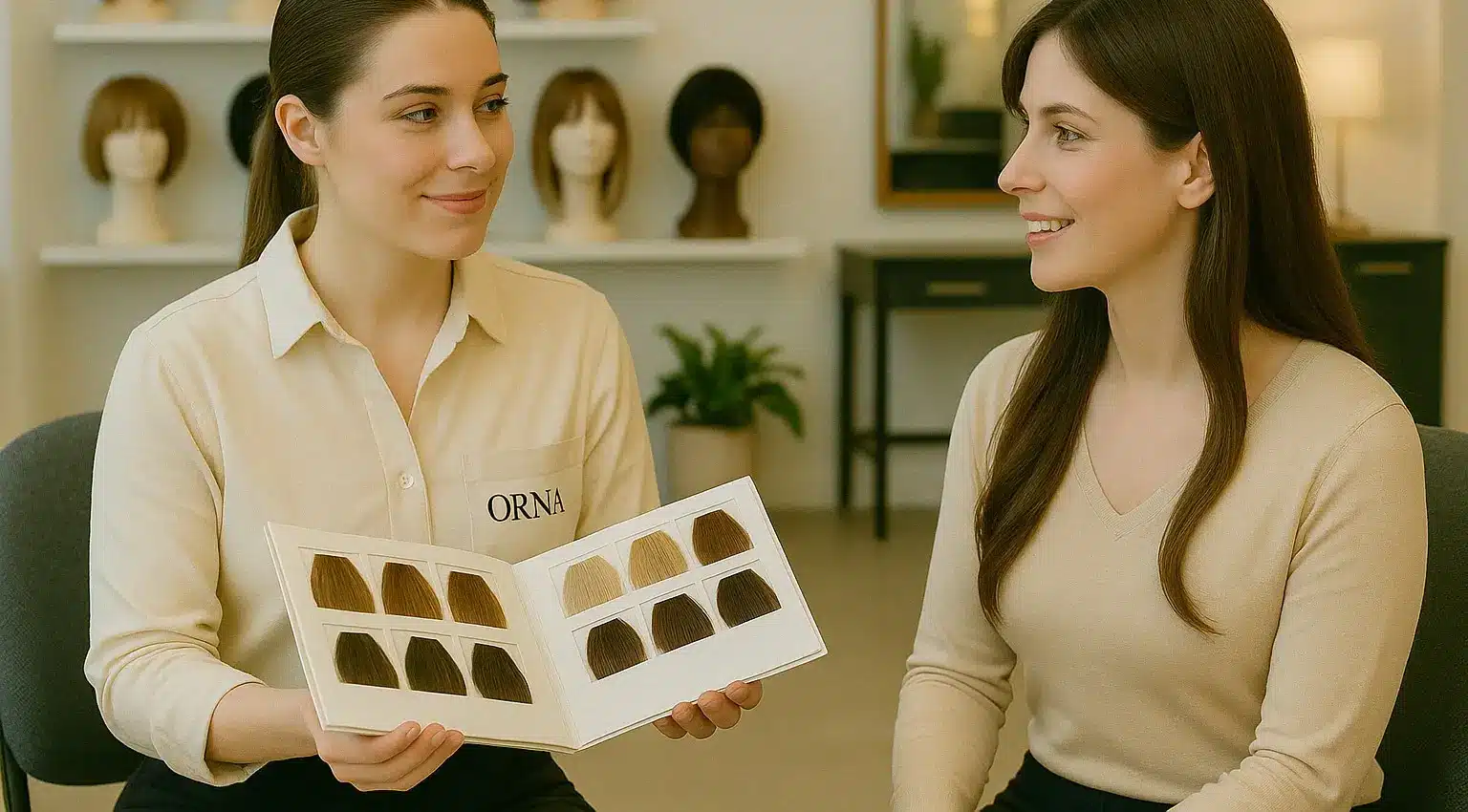
Choosing the perfect human hair wig should feel exciting, not confusing. That is why our Orna Wigs New York specialists are here to guide you through every detail with expert care and precision. During your personalized consultation, we offer a full scalp and lifestyle analysis, color and texture matching, and clear guidance on cap structure, density, and design options. You will leave confident knowing exactly which wig will look and feel natural for your daily life. Our goal is to help you achieve comfort, beauty, and confidence every time you wear your wig. Availability is limited, so schedule your consultation today and begin your transformation. Discover how effortless a flawless look can be when professionals handle every step with you.
FAQs
What’s the difference between human hair and synthetic wigs?
Human hair wigs are made from genuine hair strands that provide an incredibly natural look and feel. They can be washed, conditioned, heat-styled, and even dyed to match personal preferences, offering a high level of versatility. Because the strands are real, they move and shine like natural hair, blending seamlessly with the wearer’s appearance. With proper care – including gentle washing, conditioning, and safe styling techniques – a human hair wig can last for several years while maintaining its soft texture. By contrast, synthetic wigs are created from fine, heat-sensitive fibers that are designed to hold their pre-set shape. These wigs require minimal day-to-day styling and are often more affordable, making them a convenient option for short-term or occasional use. However, their fibers cannot generally tolerate high temperatures, which limits the ability to restyle them with curling or flat irons. Synthetic wigs tend to last only a few months before showing signs of wear, while human hair wigs remain durable for much longer. Choosing between the two depends on individual priorities. Those who value realism, longevity, and styling freedom may find human hair wigs worth the investment. Those seeking quick convenience or lower maintenance might prefer synthetic alternatives. Regardless of choice, consistent cleaning, proper storage, and gentle detangling help maintain beauty and extend the lifespan of any wig style.
How should I choose the right cap construction for comfort?
Cap construction plays a vital role in how comfortable, secure, and natural your wig feels throughout the day. Different designs offer unique advantages depending on your lifestyle, scalp sensitivity, and climate. For individuals with delicate or easily irritated skin, lace-front and monofilament caps are ideal because they promote natural airflow, reducing heat buildup and discomfort. Full lace wigs provide the most styling versatility, allowing you to part the hair freely in any direction for a seamless appearance, although they often require more delicate care and maintenance. In contrast, machine-wefted caps are valued for their durability and affordability, but they can feel heavier and less breathable during long wear. We recommend consulting a trained wig specialist who can take precise measurements – including head circumference, ear-to-ear distance, and nape width – to ensure a personalized, balanced fit. During fittings, check for even pressure along the hairline and nape, ensuring that the wig feels snug yet comfortable. An evenly distributed fit prevents rubbing, tension headaches, and potential breakage along fragile hairlines. Finally, remember that cap construction impacts not just comfort but also the longevity of your wig, making careful selection an important investment in everyday confidence and wearability.
How much does a good human hair wig cost?
Pricing for premium human hair wigs typically ranges between $700 and $3,500, though the final amount can vary significantly based on craftsmanship, materials, and the extent of customization. Several major factors influence the overall cost. The first is the source of the hair, which may come from European or Indian donors, or be virgin unprocessed hair noted for its natural strength and texture consistency. The second factor is the construction method, such as whether the wig is fully hand-tied for a seamless and natural appearance or machine-wefted for durability and faster production. The third consideration involves finishing details, which may include custom color blending, lace tinting to match various skin tones, or density adjustments for a more personalized result. A fully custom order typically requires four to six weeks for completion, allowing time for consultation, measurement verification, and meticulous crafting. It is important to note that the pricing described here serves only as a general reference guide and does not represent a confirmed quotation. A professional in-person evaluation is necessary before issuing a final estimate to ensure accuracy regarding material selection, cap design, and styling preferences.
Can beginners install human hair wigs themselves?
While many wigs are described as beginner friendly, achieving a natural, secure fit often requires patience, practice, and attention to detail. Even a small mistake in alignment or application can affect the overall appearance and comfort of the wig. For example, applying adhesive unevenly or tightening elastic straps too much may lead to discomfort and possible damage to both the wig structure and your natural hairline. Beginners should consider starting with adjustable, glueless lace front wigs that feature built-in clips, combs, or straps for added stability and easier daily use. Once you gain confidence, you can explore adhesive or semi-permanent installations. At that stage, professional assistance from a certified stylist is strongly recommended to ensure correct placement, reduced tension, and proper scalp protection – allowing you to master the fundamentals before transitioning to full independence.
How often should I wash and maintain my human hair wig?
Maintenance frequency varies depending on how often you wear your wig and the environment it is exposed to. For daily wearers, washing every 7 to 10 uses helps prevent product buildup, sweat accumulation, and dullness. If you wear your wig occasionally, a gentle wash after every few uses may be enough. Always use a sulfate-free shampoo diluted with cool or lukewarm water to maintain the integrity of the fibers. After cleansing, apply a moisture-rich, silicone-free conditioner to keep the strands soft and flexible. Detangle carefully with a wide-tooth comb, working from the ends upward to reduce breakage. Once a month, use a lightweight deep conditioner or apply a small amount of argan or coconut oil to replenish shine. Avoid alcohol-based styling products, excessive heat, or rough handling. Consistent attention ensures your wig stays vibrant, smooth, and long-lasting.
Why does my human hair wig feel dry or coarse after a few months?
Dryness in human hair wigs often develops when moisture levels drop or when the fibers are repeatedly exposed to heat styling without adequate protection. Since wigs no longer receive natural oils from the scalp, they must rely entirely on external conditioning to stay hydrated and smooth. Applying a lightweight leave-in conditioner after every wash helps seal in moisture, while keeping styling tools below 180°C (356°F) prevents additional damage. If the ends begin to feel rough or brittle, scheduling a trim with a professional stylist can remove split fibers and restore a healthy look. Deep hydration treatments once or twice a month can greatly improve texture and manageability. In some cases, dryness is worsened by mineral buildup from hard water. A gentle clarifying shampoo removes residue, allowing conditioners to absorb more effectively. Consistent care helps each strand regain softness, flexibility, and a natural shine, keeping the wig resilient and comfortable to wear.
What should I look for when choosing a professional wig specialist?
When choosing a wig specialist, always look for certified professionals who are members of respected organizations such as the American Hair Loss Association or who hold valid cosmetology licenses with advanced training in wig fitting and customization. A trustworthy expert will maintain excellent sanitation standards, conduct precise and individualized cap measurements, and follow transparent sourcing practices to ensure quality and ethical production. They should also provide patch tests for adhesives when necessary to prevent irritation or allergic reactions. Detailed consultations about styling options, maintenance routines, and long-term care are essential. Avoid technicians who rush through the process or disregard your concerns about comfort, appearance, or budget. Reading verified customer reviews, requesting before-and-after photos, and confirming product warranties are also wise steps. A skilled specialist guarantees professionalism, comfort, realism, and overall client satisfaction.
What if my wig feels too tight or starts slipping?
Discomfort or slippage usually signals a sizing or tension imbalance that should be addressed quickly to protect both your scalp and the wig base. If the wig feels excessively tight, it can lead to headaches, pressure marks, or traction along the hairline. Start by loosening the adjustable straps one setting at a time, or consult a stylist to gently modify the inner bands for even weight distribution and improved airflow. If the wig has a tendency to shift, try adding a silicone grip liner, velvet wig band, or a medical-grade elastic strip underneath for extra stability. Refrain from using too much adhesive, since harsh removal can weaken the lace and shorten its lifespan. Regularly schedule a fitting evaluation whenever you notice discomfort, ensuring lasting comfort, durability, and a natural, secure finish every day.