
Lace Top Wig Cost in Manhattan: 2026 Price Guide
August 12, 2026
- By
- Orna Wigs
- Professional Wig Specialists
Many clients assume lace top wigs all cost about the same. At Orna Wigs, we’ve been helping Manhattan clients navigate lace top wig cost decisions for years of experience, and we’ve seen how misleading that assumption can be. The price difference between two seemingly similar wigs can reflect major differences in lace quality, hair origin, ventilation density, and customization. One client from the Upper East Side recently showed us two online listings that looked identical in photos – yet one was nearly double the price. The cheaper option used thicker Swiss lace and machine-wefted hair at the crown, which would have created visible lines under Manhattan’s bright natural daylight. Choosing based on price alone often leads to premature shedding, poor blending, and costly replacements. If you’re comparing options, our lace top wigs overview explains key construction differences that directly affect cost and longevity.
Construction standards, measurement accuracy, and customization steps
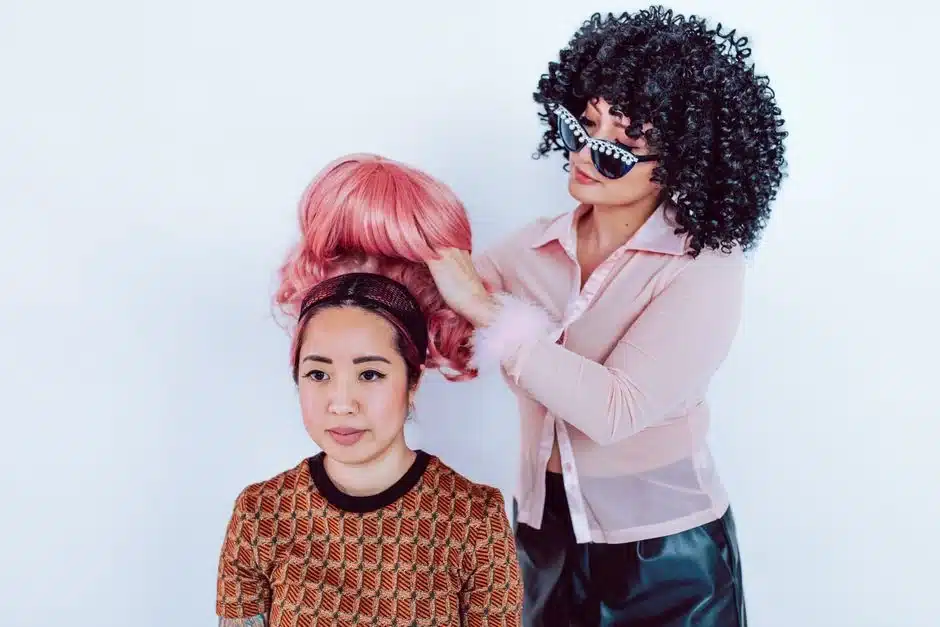
Accurate pricing starts with precise measurements and construction analysis. The most important best practices involve head circumference measurement, lace assessment, and hair quality verification before discussing cost. Skipping these steps leads to poor fit and premature wear. Our team follows a structured evaluation process:
- Head measurements: Circumference, front-to-nape, ear-to-ear across forehead, and temple-to-temple. Even a 0.5-inch deviation can affect tension and comfort.
- Lace inspection: We examine lace thickness, elasticity, and knotting technique under magnification to confirm hand-tied craftsmanship.
- Density planning: Manhattan professionals often request 120% density for natural office settings; higher densities increase ventilation labor costs.
- Color customization: Root shadowing, balayage, or gray blending adds processing time and product cost.

How to estimate your investment and avoid repeat purchases
A realistic budget prevents frustration and repeat spending. In Manhattan, lace top wig pricing typically reflects hair origin, customization level, and construction detail. For 2026, clients may see ranges such as:
- Ready-to-wear lace top wigs: typically start around $900 and may range up to $1,800.
- Custom-colored or partially hand-tied units: often fall between $1,800 and $3,000.
- Fully customized European hair lace tops: can range from $3,000 to $5,500 or more depending on length and density.
Schedule a Personalized Lace Top Wig Assessment
Choosing the right lace top wig is about more than comparing price tags. We evaluate lace quality, hair origin, density, and fit so you understand exactly what you’re paying for and how long it should last in Manhattan’s climate. If you’re considering a new purchase or replacing an older unit, we offer a quick expert assessment to review construction details and provide a realistic investment range. Our team explains customization options, maintenance expectations, and projected lifespan so you can plan confidently. A short consultation today can prevent months of discomfort or the cost of replacing a poorly constructed wig. Let’s review your goals and build a lace top solution that fits both your lifestyle and your budget.
FAQs
Why do lace top wig prices vary so much in Manhattan?
Price variation usually reflects construction method, hair origin, and customization level rather than branding alone. A fully hand-tied lace top requires skilled ventilation where each strand is knotted individually into lace. That labor-intensive process increases cost but creates natural scalp movement and realistic parting. Hair origin also plays a major role. European virgin hair typically costs more because of limited supply and minimal chemical processing, while heavily processed hair may cost less but can dry out faster. In Manhattan, overhead costs such as studio rent and sourcing logistics can influence pricing, but quality differences are the bigger factor. Density, length, and color customization add additional labor. When comparing quotes, always ask whether the hair is Remy cuticle-aligned, what lace type is used, and whether the cap is fully or partially hand-tied. Those details explain most pricing differences.
Is a more expensive lace top wig always worth it?
Not automatically. The key question is whether the higher price corresponds to measurable upgrades in lace quality, hair grade, and customization. If a wig uses ultra-thin Swiss lace, single-knotted hairlines, and premium cuticle-aligned hair, the cost increase often translates into longer lifespan and more natural appearance. However, some higher prices reflect retail markup rather than construction improvements. We recommend reviewing density percentages, knotting methods, and cap design before deciding. For example, a 120% density with a natural hairline may look more realistic than a heavier 150% density that appears bulky. Manhattan clients who wear wigs daily typically benefit from investing in durability and comfort rather than purely aesthetic upgrades. The value comes from longevity and confidence, not just the initial price tag.
How much should I budget for a lace top wig in 2026, and how long does it take?
For 2026, ready-to-wear lace top wigs in Manhattan may start around $900 and can range up to $1,800. Custom-colored or partially hand-tied units might fall between $1,800 and $3,000, while fully customized European hair lace tops could range from $3,000 to $5,500 or more. Production timelines typically span 8 – 14 weeks for custom orders, depending on ventilation workload and hair sourcing. Three main variables influence final pricing: site complexity (unique measurements or medical hair loss considerations), material costs (hair origin and lace type), and total scope (color processing, added density, extended lace fronts, or silk tops). Rush production may increase costs and shorten timelines slightly. These figures are preliminary benchmarks for informational purposes only and do not constitute a binding quote. An on-site evaluation is required for a final proposal.
Can I order a lace top wig online without professional help?
Ordering online is possible, but accurate measurements and construction knowledge are essential. Without proper circumference and front-to-nape measurements, the wig may shift, create tension points, or require costly alterations. Online listings often do not disclose lace thickness or knotting techniques, which directly affect realism. Professional guidance becomes especially important if you have medical hair loss, sensitive scalp conditions, or need precise color matching. We’ve seen Manhattan clients purchase wigs online that required resizing, additional elastic bands, or knot bleaching adjustments to look natural. Those corrections can offset initial savings. If you choose to order online, request detailed specifications: lace type, density percentage, hair origin, and cap measurements. When in doubt, a consultation before purchasing can prevent fit and durability problems.
What maintenance affects the total cost of ownership?
Maintenance significantly influences how long your lace top wig lasts. Regular gentle washing with sulfate-free shampoo, conditioning mid-lengths to ends, and air-drying on a ventilated wig stand help preserve hair integrity. Using excessive heat styling without thermal protection can weaken cuticles and shorten lifespan. Knot sealing spray can reduce shedding over time, especially for daily wear. In Manhattan’s humidity, proper drying is essential to prevent lace stretching or odor buildup. We also recommend professional tightening or elastic band replacement if the cap loosens. Ignoring maintenance increases the risk of matting, lace tearing, and hair breakage, which may require expensive repairs or full replacement. A well-maintained lace top wig can last significantly longer than one exposed to harsh brushing or improper storage.
Are there specific challenges for lace top wigs in Manhattan?
Manhattan’s climate creates unique wear conditions. Summer humidity can affect lace adhesion and increase frizz, while winter indoor heating can dry out human hair fibers. Daily commuting, wind tunnels between buildings, and frequent hat use also place stress on lace edges. Clients who walk long distances often benefit from reinforced lace fronts or adjustable elastic bands for added stability. Proper hydration treatments during winter months help counteract dryness caused by heated indoor environments. Storage is also important in smaller apartments – using a breathable canvas wig block instead of plastic bags prevents moisture buildup. These environmental factors do not necessarily increase initial purchase cost, but they can influence the type of lace and customization recommended for durability in Manhattan.
What should I look for when choosing a wig professional?
Look for a professional who provides transparent construction details and precise measurement procedures. Membership in recognized industry organizations such as the Professional Beauty Association demonstrates commitment to ethical standards and ongoing education. Clear explanations of hair origin, density, and lace type indicate technical expertise. Ask whether the provider offers written care guidelines and adjustment services. Professionals who cannot describe ventilation techniques or who avoid discussing hair processing methods may lack specialized knowledge. In Manhattan, experience with diverse hair textures and medical-related hair loss cases is especially valuable. A thorough consultation should include measurement verification, lifestyle discussion, and honest expectations about lifespan. Choosing a knowledgeable provider reduces the risk of fit issues and premature replacement costs.
When should I replace my lace top wig?
Replacement becomes necessary when lace integrity weakens, excessive shedding occurs despite maintenance, or the cap no longer fits securely. Minor issues such as loose elastic bands or small lace tears can often be repaired, but widespread thinning at the crown or repeated tangling indicates structural decline. Watch for visible knot loosening, persistent matting at the nape, or lace discoloration that cannot be corrected. If daily styling requires excessive effort to maintain a natural look, the unit may be nearing the end of its lifespan. This is not typically an emergency situation. Scheduling a professional evaluation allows assessment of whether repairs are practical or if investing in a new lace top wig will be more cost-effective. Early evaluation helps you plan your budget and avoid gaps in wear.