
Sheitel Restyling Cost in NYC: What to Expect and What You’re Really Paying For
May 28, 2026
- By
- Orna Wigs
- Professional Wig Studio
Many women assume restyling a sheitel should cost about the same as a regular salon haircut. At Orna Wigs, we’ve been guiding clients through sheitel restyling decisions for years of experience, and we’ve noticed that this comparison often leads to confusion about pricing and value. The reality is that a sheitel is not growing hair – it’s a constructed piece built on a cap foundation, often with European or high-grade human hair that reacts differently to heat, tension, and chemical processing. We’ve seen clients come in after a rushed, low-cost restyle left the lace torn or the hair over-thinned, doubling what they expected to spend. Before booking, it helps to understand what actually goes into professional sheitel restyling and why costs vary.
Standards, Tools, and Steps That Protect Your Investment
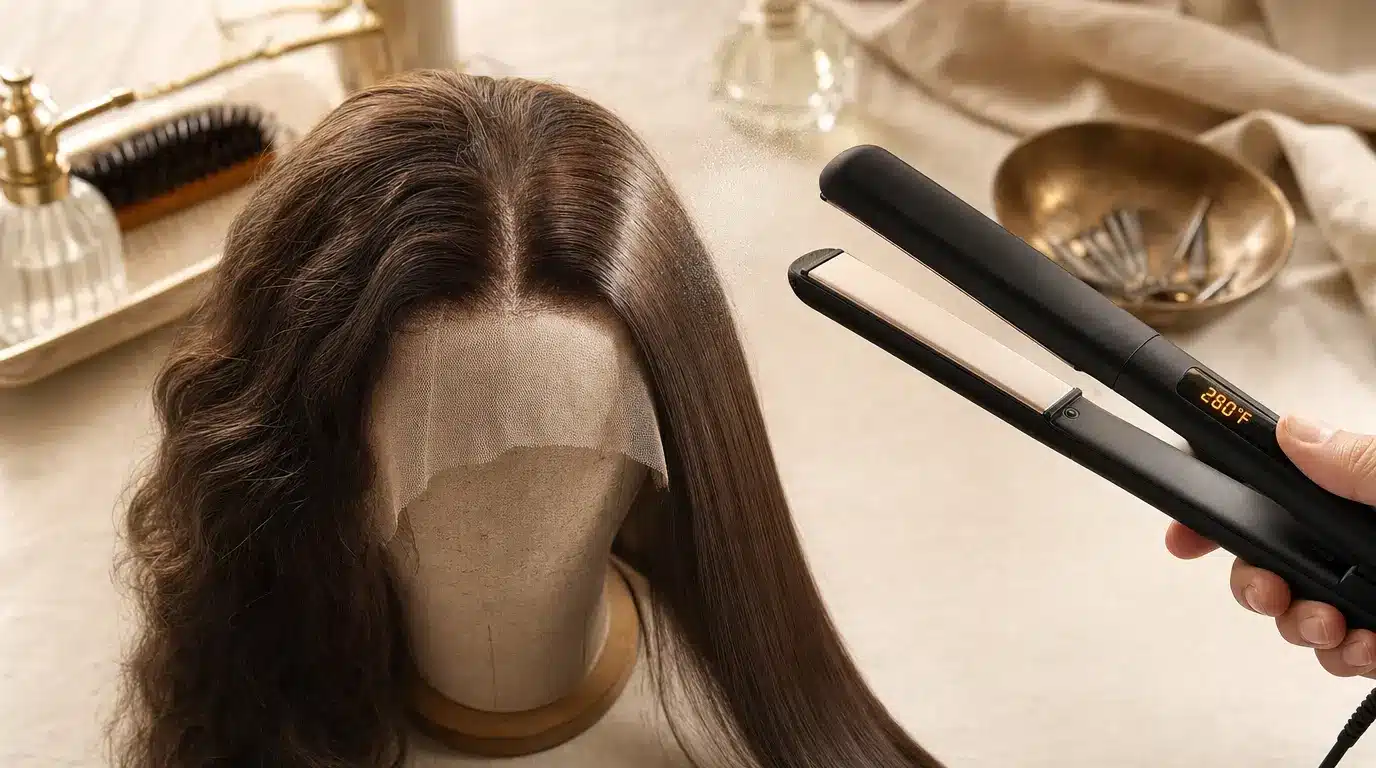
The most important best practices in sheitel restyling focus on protecting the cap structure and preserving hair integrity. We approach each piece as a constructed garment, not a growing scalp. That mindset changes everything about technique. A proper professional restyle typically includes:
- Cap assessment: Inspecting lace fronts, monofilament tops, weft stitching, and elastic bands for stress or loosening before any cutting begins.
- Density mapping: Identifying high-density zones and natural fall patterns to avoid over-thinning at the crown or hairline.
- Controlled cutting techniques: Using sharp 5.5 – 6.0 inch shears for precision and limiting razor use to prevent frayed ends on processed human hair.
- Heat calibration: Setting ceramic flat irons or curling tools within manufacturer-recommended ranges, often below 320°F – 350°F depending on prior color processing.
- Finishing and set: Using low-alcohol setting sprays and proper roller sets to reduce repeated heat exposure.
How to Prepare for a Restyle and Understand Cost Factors
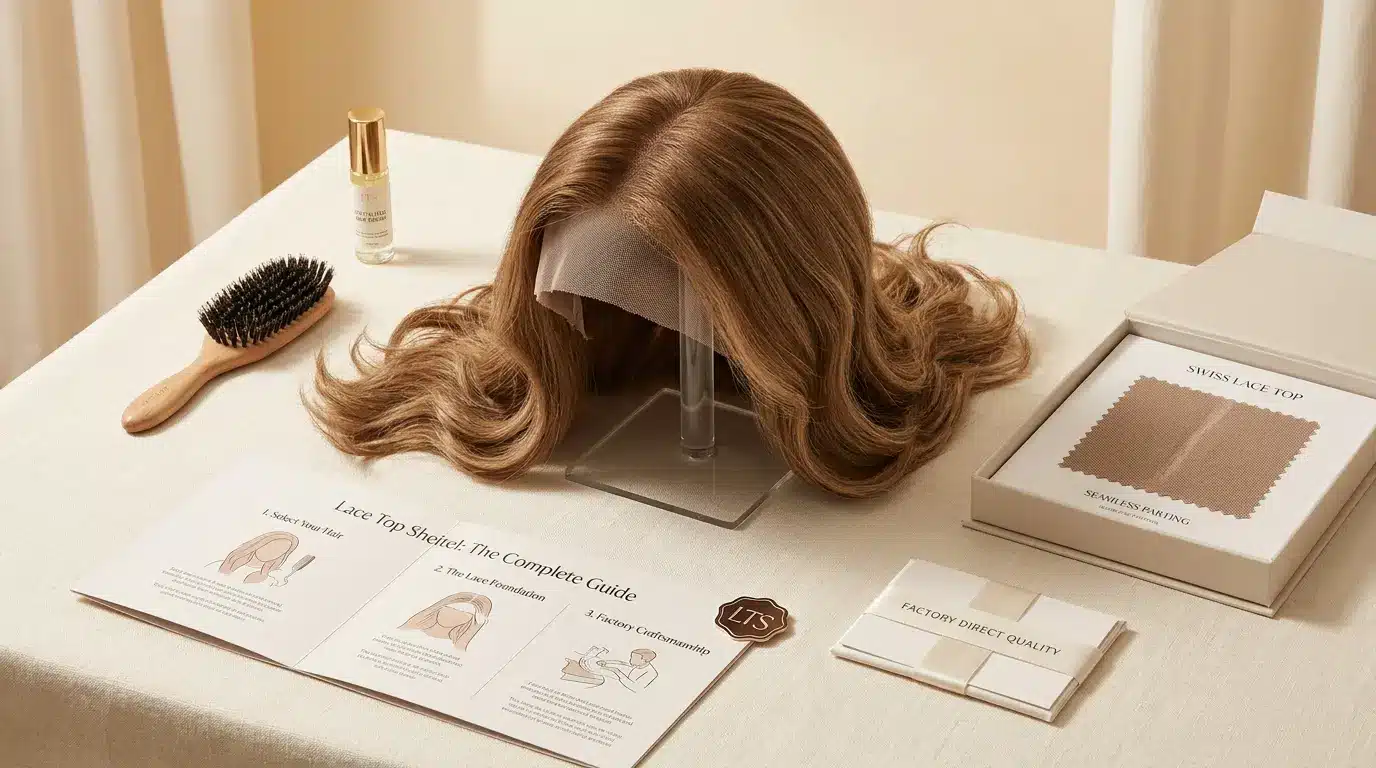
When planning around Sheitel Restyling Cost in NYC: What to Expect, budgeting starts with understanding scope. A simple trim and reshaping may typically fall between $75 and $150. A more involved restyle – adding layers, adjusting bangs, refining face-framing, and full wash and set – may range from $150 to $350. Extensive transformations that involve density adjustment, minor cap repair, or corrective blending could reach $400 or more. Pricing can fluctuate based on:
- Cap construction complexity (lace front, full lace, monofilament)
- Hair origin and prior chemical processing
- Total scope of changes requested
Get a Clear Restyling Assessment
If you’re unsure what your sheitel needs – or what it should realistically cost – we can help. Our team evaluates cap construction, density, hair condition, and your styling goals before recommending any changes. That means no guesswork and no unnecessary thinning or heat damage. We offer focused consultations designed to clarify scope, timeline, and investment so you can make an informed decision. Whether you want a subtle refresh or a significant transformation, we’ll outline what’s possible and how to protect the longevity of your piece. Schedule a quick expert assessment and move forward with confidence.
FAQs
Why does sheitel restyling cost more than a regular haircut?
A sheitel is a constructed hairpiece, not growing hair attached to a scalp. Every cut must account for cap structure, hand-tied knots, and density distribution. When we restyle, we first secure the piece on a professional wig stand or canvas block head to maintain tension accuracy. We section carefully to avoid pulling on lace fronts or monofilament tops. Unlike natural hair, once we remove length or density from a sheitel, it cannot grow back. That permanence requires a slower, more precise approach. We also factor in washing, conditioning with sulfate-free formulas, controlled heat styling, and finishing. The added time, technical care, and risk management explain why restyling typically costs more than a standard salon haircut.
How often should a sheitel be professionally restyled?
Frequency depends on how often the sheitel is worn and how it is maintained. For daily wear pieces, many clients schedule light reshaping or bang trims every few months. Full restyling is usually less frequent and often tied to seasonal changes or personal style shifts. If you notice bulk at the crown, uneven ends, or loss of shape after washing, it may be time for an evaluation. We also recommend a professional assessment after any major color service, as processing can alter texture and movement. Regular maintenance prevents the need for aggressive corrective cutting later, which can shorten the lifespan of the piece.
What affects the total cost and how long does it take?
Sheitel restyling may range from modest trimming fees to several hundred dollars for transformative work. The timeline can vary from a same-day appointment to several days if repairs or detailed reshaping are involved. Three primary factors affect cost:
- Cap construction complexity
- Material quality and prior chemical processing
- Total scope of requested changes
Can I restyle my sheitel at home?
Minor adjustments such as gentle roller setting or low-heat curling can be done at home if you use controlled temperatures and proper tools. Always place the sheitel on a stable wig stand and avoid cutting without professional training. We strongly discourage self-cutting, thinning, or aggressive heat styling. Without understanding density mapping and cap tension, it is easy to create uneven bulk or visible scalp gaps. Once hair is removed, it cannot be replaced without costly re-ventilation. For trims, bang adjustments, or structural changes, professional handling protects your investment and extends the lifespan of the piece.
What are signs my sheitel needs professional attention?
Watch for uneven ends, excessive bulk at the crown, tangling near the nape, or loss of curl pattern after washing. If the lace front begins lifting or you notice shedding concentrated in one area, the piece may need structural evaluation. Texture changes such as dryness or fraying can signal heat overexposure. We often perform a strand elasticity check to see whether the hair stretches and returns properly. Addressing these issues early prevents more invasive corrections. Routine professional maintenance keeps the cut balanced and the cap secure.
What are the most common problems after a poor restyle?
Common issues include over-thinning at the crown, uneven layering, frayed ends from razor overuse, and weakened knots from tension. We’ve seen pieces where improper heat caused dullness and split ends that required significant length removal. Another frequent problem is imbalance in density – too much bulk left at the bottom while the top appears flat. Correcting that requires careful blending and sometimes strategic internal layering. In severe cases, partial re-ventilation may be needed, which increases cost and turnaround time. Choosing a professional experienced in wig construction reduces these risks.
How do I choose the right professional for restyling?
Look for a licensed cosmetology professional familiar with wig construction, lace fronts, and monofilament caps. Ask about their process for density mapping and heat control. A reputable provider will inspect the cap before cutting and explain realistic limitations. Check whether they follow sanitation and safety standards recognized by professional bodies such as the Professional Beauty Association. Clear communication about cost, scope, and timing is also essential. If someone guarantees dramatic changes in an unusually short time without assessing the piece, that should prompt caution.
What should I do if I’m unhappy with a recent restyle?
First, avoid further cutting or heat styling at home. Additional changes can complicate correction. Schedule a professional evaluation to assess density, layering, and cap integrity. In many cases, strategic blending, reshaping, or controlled texturizing can improve balance. If over-thinning occurred, options may include repositioning the part or adjusting styling techniques to create fuller appearance. Prompt assessment increases the likelihood of correction without major structural repair. Acting early protects both appearance and long-term durability.