
How to Choose a Wig Color That Matches Your Skin Tone
May 6, 2026
- By
- Orna Wigs
- Wig Color Specialists
A client once walked into our Manhattan studio frustrated because her new wig looked “perfect” online but washed her out completely in person. At Orna Wigs, we’ve been helping clients navigate how to choose a wig color that matches your skin tone for years of experience, and we’ve seen how often lighting, undertones, and assumptions lead to expensive mistakes. The wrong shade doesn’t just look slightly off – it can exaggerate redness, emphasize dark circles, or create a harsh contrast that feels unnatural in daylight. One Manhattan client learned this after purchasing a cool platinum tone that clashed with her warm olive complexion; she ended up replacing it within weeks. Understanding undertones, depth, and contrast from the start saves time, money, and disappointment. If you’re just beginning your search, our wig color consultation guide explains how we evaluate tone professionally.
What excellent wig color selection should include
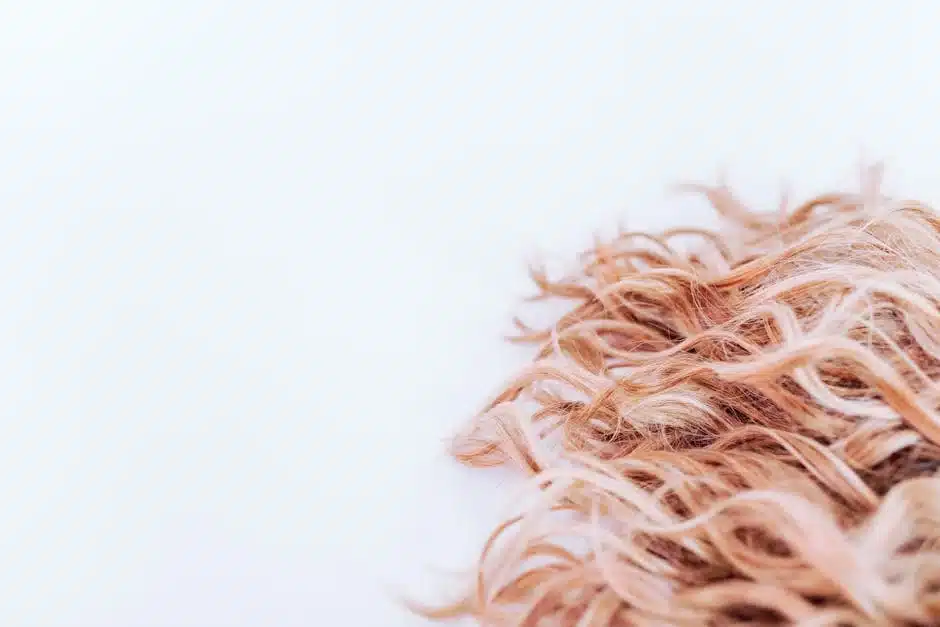
The most important best practice is matching undertone first, depth second, and trend last. A color that aligns with your complexion will always look intentional, even if it’s bold. Choosing solely based on fashion shades often leads to regret. In our professional process, strong color matching includes:
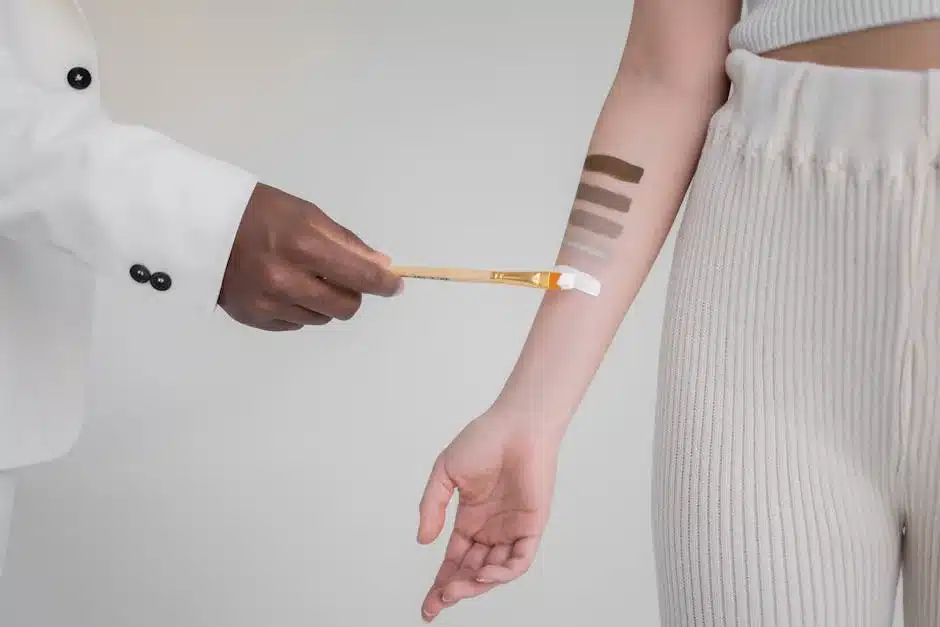
- Undertone analysis: Warm skin pairs well with honey, caramel, and golden browns. Cool skin benefits from ash, espresso, and blue-based blacks.
- Level assessment: We use the standard 1 – 10 level system (1 = black, 10 = lightest blonde) to determine how light or dark your shade should be.
- Face-framing tests: Holding sample wefts around the hairline to observe how color reflects onto the skin.
- Lighting verification: Checking color under LED studio lighting and natural daylight.
Maintenance timelines, adjustments, and realistic budgets
Choosing the right color is only the beginning; maintaining it preserves your investment. Human hair wigs may need toning every 8 – 12 weeks if lightened, especially in sun-exposed environments like Manhattan where UV exposure can shift blonde tones brassy. Purple or blue-based toning shampoos (sulfate-free, pH-balanced formulas) help maintain cool shades, while color-safe moisturizing masks protect cuticle layers. One client opted for a dramatic cool blonde without planning for upkeep. Within two months, oxidation created a yellow cast. Corrective toning and conditioning treatments restored the shade, but the added appointments increased her overall cost. Typical color customization may range from $150 to $600 depending on:
- Color correction complexity
- Hair fiber type (human vs. synthetic)
- Total scope of lightening or lowlighting
Schedule a Personalized Color Assessment
Selecting the right wig color should feel confident, not confusing. Our team evaluates undertone, depth level, lighting conditions, and lifestyle factors to ensure your choice enhances your complexion rather than competing with it. During a personalized assessment, we review swatches in natural and studio lighting, discuss maintenance expectations, and outline realistic customization options. If you’re unsure whether warm caramel, neutral brown, or ash blonde will complement your skin tone, we can guide you step by step. A professional evaluation protects your investment and helps you avoid unnecessary replacements or corrective coloring. Book a consultation and let’s determine the shade that brings out your features naturally.
FAQs
How do I know if my skin tone is warm, cool, or neutral in Manhattan lighting?
Natural daylight is the most accurate way to determine undertone, especially in Manhattan where indoor lighting can be heavily LED-based and distort color. Stand near a window without direct sunlight and observe the veins on your wrist. Greenish veins typically indicate warm undertones, bluish or purple suggest cool undertones, and a mix often signals neutral. Another method is jewelry comparison. Gold tends to complement warm undertones, while silver flatters cool tones. If both look balanced, you may be neutral. We also compare calibrated swatches against the jawline rather than the hand, since facial skin is what frames the wig. Avoid relying on department store lighting or phone screens. Both can shift color temperature significantly, leading to incorrect wig shade choices that appear different once you step outside.
Should my wig match my natural hair color exactly?
Not necessarily. Matching your natural hair color is safe, but not always the most flattering option. We evaluate depth level and contrast. If your natural hair is a level 4 medium brown but your skin is fair with cool undertones, a slightly softer level 5 ash brown may brighten your complexion. Exact matches are helpful for clients transitioning gradually or maintaining a consistent look. However, subtle shifts – half to one level lighter or darker – can enhance facial features without appearing drastic. We recommend staying within two levels of your natural shade unless planning a full style transformation with maintenance in mind. Large jumps in depth often require more upkeep and can look stark against certain complexions.
How much does professional wig color customization cost and how long does it take?
Professional wig color customization may start around $150 for minor toning and can range up to $600 or more for complex corrections or full transformations. Timing typically spans from one to several hours depending on the adjustment required. Pricing may fluctuate based on:
- Color correction complexity
- Hair fiber type and material costs
- Total scope of the customization
Can I choose and tone a wig color myself at home?
Minor adjustments, such as using a sulfate-free purple shampoo to reduce brassiness, can be done at home if the wig is human hair and manufacturer guidelines allow it. Always check fiber type first; many synthetic wigs cannot tolerate traditional dyes or high heat. More significant color shifts – especially lightening – should be handled professionally. Over-bleaching weakens knots and may cause shedding or lace damage. We’ve seen clients attempt box dye corrections that resulted in uneven absorption and permanent discoloration. If you want a subtle shift within one shade, home toning may be manageable. For anything involving lifting, major tone correction, or knot preservation, professional service protects your investment.
What are signs that my wig color is wrong for my skin tone?
Common indicators include your complexion appearing dull, overly red, or grayish under natural light. If dark circles look more pronounced or the wig casts a shadow effect on your face, undertone mismatch is often the cause. Photograph yourself in daylight. If the wig color stands out before your facial features do, contrast may be too extreme. We also look for imbalance between eyebrow color and wig shade; a significant mismatch can appear artificial. Maintenance matters too. Brassiness in blonde wigs or fading in darker shades can shift undertones over time. Regular toning treatments and color-safe products help preserve harmony between wig and skin tone.
Are there common color mistakes clients make in Manhattan?
Yes. Many clients choose lighter shades assuming they will look more youthful. In Manhattan’s bright outdoor light, overly light tones can wash out olive or deeper complexions. Another common mistake is selecting color under boutique spotlights that exaggerate warmth. Once outside, the same wig may appear too red or brassy. We always recommend checking color near a window or stepping outside briefly before finalizing a decision. Seasonal changes also matter. Skin tone may shift slightly in summer versus winter, affecting how certain shades appear. Evaluating color during the season you’ll wear it most frequently prevents surprises.
What should I look for in a professional wig color consultation?
Look for a structured evaluation process. Professionals should assess undertone, depth level, lighting conditions, and maintenance expectations before recommending a shade. Ask whether they follow established cosmetology color theory standards and whether they evaluate swatches in natural light. A thorough consultation includes discussion of fiber type, processing limitations, and long-term upkeep. Avoid services that promise dramatic transformations without explaining maintenance or structural impact. Transparency about timelines and realistic results indicates professional integrity.
When should I schedule a professional color reassessment?
Schedule a reassessment if your wig begins looking brassy, faded, or mismatched against your skin tone under natural light. Seasonal complexion changes, weight fluctuations, or changes in eyebrow color can also affect harmony. This is not typically urgent, but delaying too long may make correction more complex. For example, repeated sun exposure can oxidize lighter shades, requiring stronger toning treatments. If you notice dullness or uneven fading, avoid applying random dyes at home. Instead, arrange a professional evaluation to determine whether toning, lowlighting, or gradual correction is the safest solution.