
How to Cut and Style a Human Hair Wig Safely: A Complete Professional Guide
April 28, 2026
- By
- Orna Wigs
- Professional Wig Specialists
A client once walked into our Manhattan studio with a human hair wig she had trimmed herself the night before – uneven layers, frayed ends, and a lace front that had been accidentally nicked. At Orna Wigs, we’ve been helping clients correct and customize wigs for years of experience, and we see this scenario more often than most people realize. Small mistakes with professional shears or heat tools can permanently change a wig’s structure. Cutting into a human hair wig without proper tension control or sectioning can reduce its lifespan by months. We’ve seen Manhattan clients invest thousands in premium European hair, only to compromise density and lace integrity in one session. If you’re unsure where to begin, start by understanding proper wig customization techniques before making the first cut.
What Safe, High-Quality Wig Customization Should Include
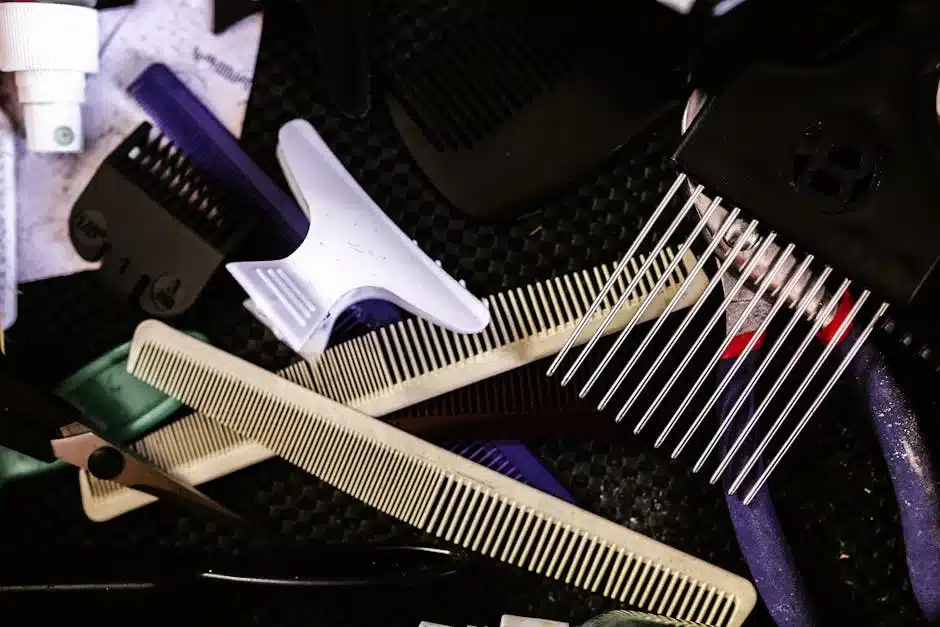
Safe wig cutting follows the same disciplined structure as precision haircutting. The most important principles are controlled tension, clean sectioning, and preserving density at stress points like the lace front and nape. We approach every customization as structural work, not casual trimming. A professional service should include:
- Mounting the wig on a properly sized canvas block head to match head circumference measurements.
- Sectioning with clips and cutting in small, controlled increments.
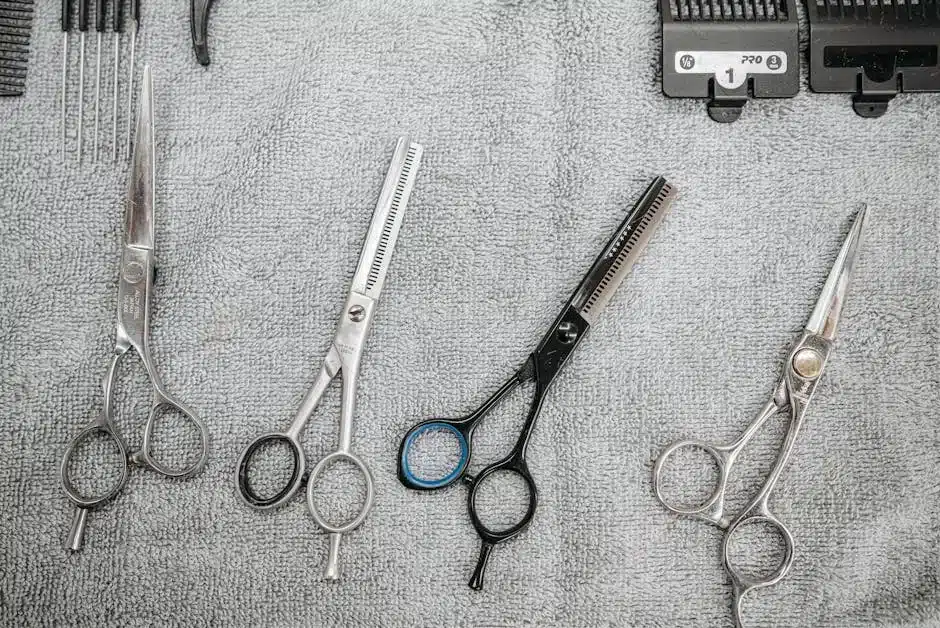
- Using professional-grade shears and thinning shears sparingly to avoid fraying wefts.
- Heat styling with ceramic or tourmaline tools set between 250 – 320°F to protect processed hair.
- Testing a small section before applying any chemical or high heat process.

How to Preserve Shape, Density, and Lace Integrity
Once a human hair wig is cut correctly, maintenance determines how long that shape holds. We recommend reassessing the cut every 8 – 12 weeks, especially if the wig is worn daily. Regular washing should follow manufacturer guidance – typically sulfate-free shampoo, lukewarm water, and air drying on a ventilated stand. One client tried frequent flat ironing at 400°F to maintain a sleek look. Within months, the ends became brittle and required significant trimming. We now advise:
- Heat tools below 320°F for processed human hair.
- Wide-tooth comb detangling from ends upward.
- Storing on a mannequin head away from direct sunlight.
Ready for a Professional Wig Assessment?
If you’re unsure whether your wig needs reshaping, thinning, or a full restyle, we can evaluate it properly before any hair is cut. Our team assesses lace integrity, density distribution, and overall structure so you avoid irreversible mistakes. A controlled, professional customization protects your investment and extends the life of your human hair wig. Schedule a consultation and let’s determine the safest way to achieve the look you want while preserving long-term quality.
FAQs
Can I cut my human hair wig at home in Manhattan apartments?
You can, but space and setup matter. Many Manhattan apartments have limited room and inconsistent lighting, which makes precision cutting difficult. Always mount the wig on a properly sized canvas block head secured to a stable table. Use professional haircutting shears – never household scissors – and cut only dry hair for accuracy. Work in small sections and avoid cutting while the wig is on your head, since uneven tension leads to imbalance. If the wig has a lace front, be especially careful near the hairline. One small slip can damage lace knots permanently, and lace repairs are often more expensive than a professional trim.
Should I cut a human hair wig wet or dry?
We recommend cutting human hair wigs dry in most cases. Wet hair stretches and can appear longer, which increases the risk of removing too much length once it dries. Dry cutting allows you to see true density, fall pattern, and how layers interact with the lace front. If reshaping a heavily curled wig, lightly misting for control may help – but complete saturation is rarely necessary. Always detangle first with a wide-tooth comb and confirm the wig is fully secured to a canvas block head. Precision depends on stability and visibility, both of which improve when the hair is dry and styled close to how it will be worn.
How much does it cost to professionally cut and style a human hair wig?
Professional wig cutting and styling in Manhattan may typically start around $150 for minor trims and can range between $250 and $600 for complex reshaping, restyling, or density correction. The final cost can fluctuate based on site complexity, material costs, and total scope of work. For example, long, high-density wigs require more sectioning time; damaged lace may need reinforcement; and layered transformations take longer than blunt trims. Most appointments run 60 – 120 minutes depending on length and structure. These figures are preliminary benchmarks for informational purposes only and do not constitute a binding quote. An on-site evaluation is required for a final proposal.
When should I seek professional help instead of doing it myself?
Simple bang trims or minor dusting of split ends may be manageable at home if you have proper tools and experience. However, major layering, density removal, lace front reshaping, or correcting previous mistakes should be handled professionally. Cutting into wefts or thinning too close to the lace can permanently reduce lifespan. If the wig was a significant investment – such as European or virgin human hair – the financial risk of error often outweighs the cost of a professional service. We also recommend professional help when altering hairlines, because knot placement and ventilation patterns require technical knowledge to maintain a natural appearance.
What are warning signs that my wig was cut incorrectly?
Uneven layers, bulky ends that flip outward, sudden thinning near the temples, or visible scissor lines are common warning signs. If the wig looks balanced on a mannequin but uneven when worn, tension during cutting was likely inconsistent. Excessive shedding may indicate that thinning shears were used too aggressively near wefts. Lace fronts that appear sparse or patchy often result from over-plucking or cutting too close to knots. Address these issues early. Minor imbalances can sometimes be corrected with careful reshaping, but severe density loss may require adding hair or replacing the unit entirely.
Does Manhattan’s climate affect how I should style my wig?
Yes. Manhattan’s humid summers can cause human hair wigs to expand and frizz, especially if they’ve been chemically processed. We recommend using a lightweight silicone-based heat protectant before styling and avoiding excessive product buildup. During colder months, indoor heating can dry out hair fibers, making deep conditioning treatments more important. Storage also matters – keep wigs away from direct sunlight and radiator heat. A breathable mannequin stand allows airflow and helps maintain shape. Climate-related expansion and contraction can subtly change how layers fall, so periodic reshaping every few months keeps the style consistent year-round.
What qualifications should I look for in a wig stylist?
Look for a licensed cosmetologist familiar with wig construction, lace fronts, and ventilation patterns. Membership or alignment with professional organizations such as the Professional Beauty Association indicates adherence to sanitation and cutting standards. Ask whether the stylist mounts wigs on canvas block heads and uses professional shears designed for hair – not razors or craft tools. Review before-and-after photos of wig-specific work, not just natural haircuts. A qualified professional should explain their cutting plan before starting and discuss density preservation, especially near the lace front. Clear communication and structured process are strong indicators of quality.
What should I do if I accidentally cut too much off my wig?
First, stop cutting immediately. Further adjustments without a plan can make the imbalance worse. Mount the wig securely on a block head and assess symmetry in a mirror from multiple angles. Minor length discrepancies can sometimes be blended with point cutting. However, if the lace front or density has been compromised, professional reshaping may be required. Avoid using thinning shears to “fix” bulk unless you understand how they affect wefts. Schedule an evaluation promptly; early correction increases the chance of restoring balance without sacrificing additional length or structure.