
Best Wig Styles for Oval Faces in 2026: Flattering Cuts, Lengths, and Trends
April 24, 2026
- By
- Orna Wigs
- Professional Wig Specialists
A client walked into our Manhattan showroom convinced her new wig was “wrong” for her face. The style was trending, the color was beautiful – yet something felt off. At Orna Wigs, we’ve been helping clients choose flattering styles for years of experience, and we’ve noticed the issue usually isn’t the wig itself. It’s proportion. Choosing the wrong cut for an oval face can subtly throw off facial balance, emphasize length, or sit awkwardly at the temples. We once saw a client spend thousands cycling through trendy pieces before realizing she needed shape adjustments – not a completely different look. If you’re unsure whether your current piece works, start with our wig consultation guide before making another investment.
What Excellent Wig Selection and Fitting Should Include

The most flattering styles for oval faces preserve balance rather than chase trends. We focus on proportion, controlled volume, and intentional layering. A proper consultation should feel technical, not rushed. In our fitting process, strong professional standards include:
- Precise measurements: Circumference, front-to-nape, and ear-to-ear measurements using a soft tape measure to ensure cap accuracy.
- Density calibration: Matching density (130%, 150%, or customized blends) to facial scale and lifestyle needs.
- Lace evaluation: Selecting HD lace for seamless hairlines or reinforced lace for durability in active clients.
- Strategic layering: Adding face-framing layers starting below the cheekbone to avoid over-elongation.
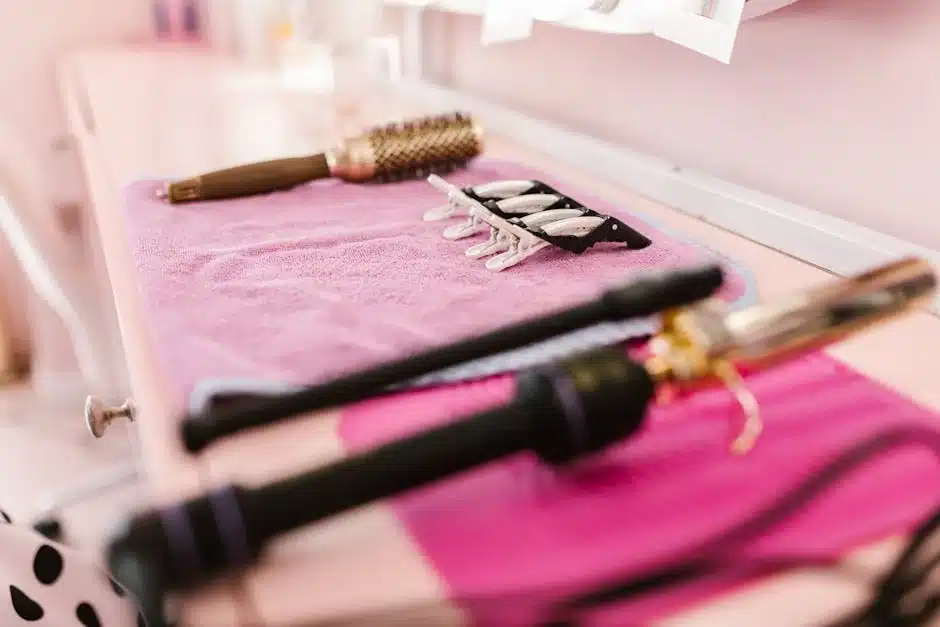
- Heat styling protocol: Using controlled temperatures (under 350°F for human hair) to protect cuticle integrity.
Protecting Your Investment and Keeping the Shape Intact
Even the Best Wig Styles for Oval Faces in 2026 lose their impact if the cut and density aren’t maintained. Layered shapes require trimming every 8 – 12 weeks to preserve structure. We use professional-grade shears and texturizing techniques to maintain movement without thinning the perimeter. One client postponed maintenance for six months. The layers grew uneven, the ends frayed, and the original balance was lost. A corrective reshape restored the look, but it required more extensive work than a routine trim would have. Ongoing care typically includes:
- Sulfate-free cleansing every 6 – 8 wears.
- Silicone-based serum applied lightly to mid-lengths, not roots.
- Low-heat styling tools capped at manufacturer-recommended temperatures.
- Professional reshaping every 2 – 3 months.
Schedule a Personalized Style Assessment
If you’re unsure whether your current wig truly complements your oval face shape, we can help you evaluate it with precision. Our team analyzes proportion, density, cap construction, and styling technique to determine whether a small adjustment or a new cut will make the difference. A professional assessment prevents costly trial-and-error purchases and protects the longevity of your investment. Let’s review your current piece or explore new 2026 styles designed to enhance balance and movement. Schedule a consultation and take the guesswork out of your next wig decision.

FAQs
Are oval faces really the easiest face shape for wigs in Manhattan?
Oval faces are versatile, but they are not automatically “easy.” In Manhattan, we often see clients choose ultra-long, flat styles that over-elongate their features. The key is balance. Because oval faces already have proportional symmetry, the goal is to maintain that harmony. Medium-length cuts, soft waves, layered bobs, and controlled volume at the sides usually perform well. We also account for climate – humidity and wind between buildings can affect texture and lift. A style that looks balanced indoors may expand outdoors. Proper density selection and layering prevent that shift from distorting the overall look throughout the day.
What wig lengths work best for oval faces in 2026?
In 2026, we’re seeing strong interest in collarbone-length cuts, soft shags, and long layers with movement. For oval faces, lengths between 14 and 20 inches often provide the most balanced result. Extremely long styles can work, but they require strategic layering to prevent vertical drag. Short cuts like textured bobs or pixies can also flatter oval faces because they highlight cheekbones without overwhelming the jawline. The deciding factor is proportion: where the length hits (above, at, or below the chin) significantly changes how the face appears. A professional fitting ensures the final length complements your specific bone structure, not just the trend.
How much does a customized wig for an oval face typically cost in Manhattan?
A customized human hair wig designed and cut specifically for an oval face in Manhattan may start around $1,200 and can exceed $3,500 depending on complexity. Pricing fluctuates based on cap construction (lace front, full lace, or silk top), hair origin and quality, and the total scope of customization such as density adjustment or precision layering. Additional variables include site complexity, material costs, and total scope of styling and fitting work. Maintenance and reshaping appointments add to long-term budgeting. These figures are preliminary benchmarks for informational purposes only and do not constitute a binding quote. An on-site evaluation is required for a final proposal.
Can I trim or layer my wig at home if I have an oval face?
Minor bang trims may be manageable at home with proper shears and a mannequin head, but reshaping layers carries risk. We’ve seen clients remove too much density at the sides, which immediately alters facial balance. Human hair wigs do not grow back, so mistakes are permanent. If you’re adjusting face-framing layers or thinning bulk near the parietal ridge, professional tools and technique matter. Texturizing shears, razor control, and proper sectioning prevent blunt or choppy results. For significant changes in length, density, or structure, professional reshaping protects both the wig’s value and the integrity of the original design.
How do I know if my current wig is unflattering for my oval face?
Watch for visual imbalance. If your face looks noticeably longer, the crown may be too flat or the length too extreme. If your temples appear hollow, density may be insufficient along the sides. Another sign is constant restyling – if you’re adding curls daily just to make the wig feel “right,” the cut may not suit your proportions. Check where the ends hit; a blunt cut exactly at the jaw can sharpen the chin unnecessarily. Regular mirror checks from multiple angles and occasional professional assessments ensure the style continues to enhance rather than distort your natural symmetry.
Does Manhattan weather affect wig styles for oval faces?
Yes. Manhattan’s humidity swings and wind tunnels between high-rise buildings can alter texture and volume. Straight styles may frizz, and soft waves can expand, which changes how the wig frames an oval face. If density is already high, humidity can create excessive side volume that widens the face. Conversely, very low-density units can collapse and elongate features. We often recommend balanced density and lightweight styling products that resist moisture without stiffness. Proper lace selection also matters; breathable lace helps prevent scalp discomfort during hot subway commutes and long outdoor walks.
What should I look for when choosing a wig specialist?
Look for a specialist who measures your head accurately and discusses density, cap construction, and face shape in technical terms. Professionals should follow sanitation and hygiene standards aligned with organizations such as the Professional Beauty Association. Ask whether they customize layering and whether they explain heat limits and care instructions. If the consultation feels rushed or focuses only on color without discussing proportion, you may not receive a fully tailored result. Transparent pricing, written care guidance, and realistic longevity expectations indicate a higher standard of service.
When should I schedule a professional reshaping appointment?
Schedule reshaping when layers lose definition, ends appear dry despite conditioning, or the wig no longer frames your face as it once did. This typically occurs every 8 – 12 weeks depending on wear frequency. You don’t need urgent service, but delaying too long can require more extensive correction. In the meantime, avoid aggressive heat styling or heavy oils that weigh down the structure. Store the wig on a proper stand to preserve shape. Booking maintenance proactively protects the original cut and ensures your oval face remains balanced and well-framed throughout the year.